Blog


Category
- Action Alert 11
- Africa 4
- Announcement 1
- Anthology 32
- Art 43
- Asylum 3
- Blog 8
- Congress 9
- Courts 55
- DeWine 3
- Deportation 306
- Detention 245
- Detroit ICE 220
- Donate 9
- Dream 5
- Economy 24
- Entrepreneurship 1
- Family 2
- General 53
- Good News 98
- Hate Crime 1
- Indigenous 3
- Justice 246
- Legislation 3
- Litigation 1
- Mauritanian Campaign 137
- Membership 11
- Narrative 98
- Nest 4
- Politics 23
- Public Safety 1
- Racism 94
- Refugees 19
- Research 9
- ReuniteUS 82
- Solutions 74
- TPS 61
- Vio 1
- Violence 13
- Volunteer 21
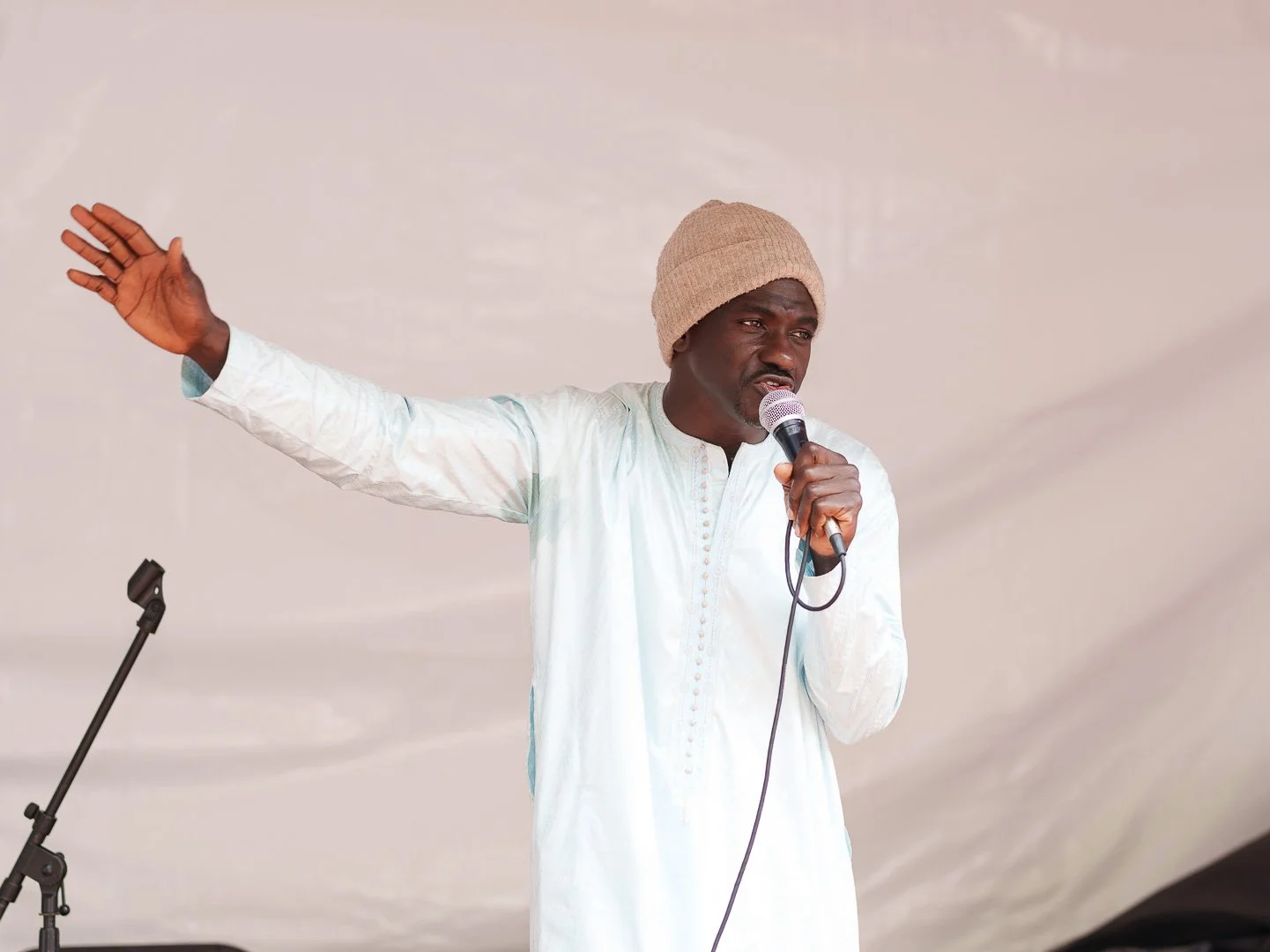
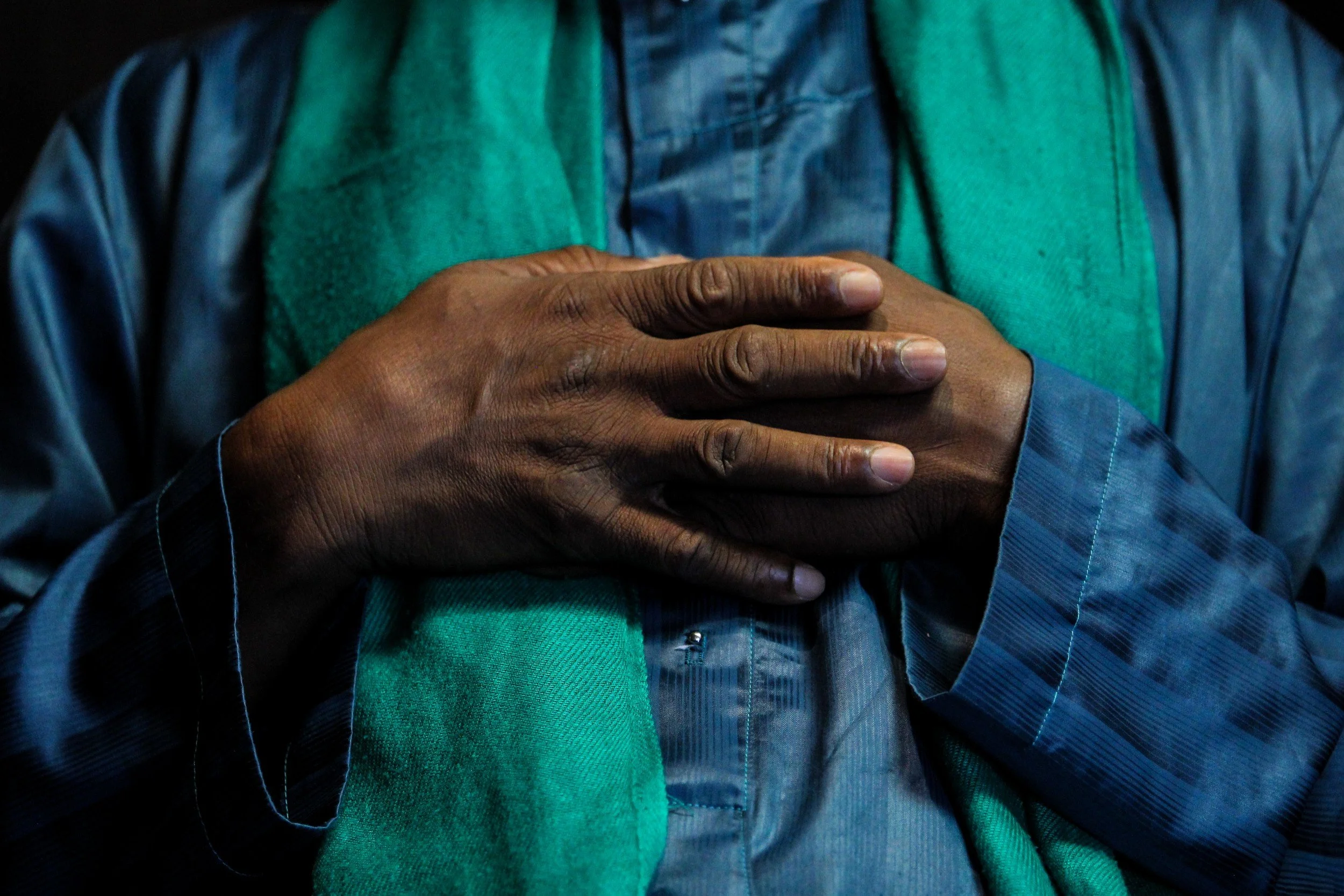
Souleye’s “Dark Journey” — Annotated
This annotated version of Souleye Ball’s poem provides cultural references and context for people who aren’t familiar with Mauritanian history, culture, geography, and U.S. immigration policy. It offers a deeper level of understanding of the poem, and we invite you to listen to his delivery as well.
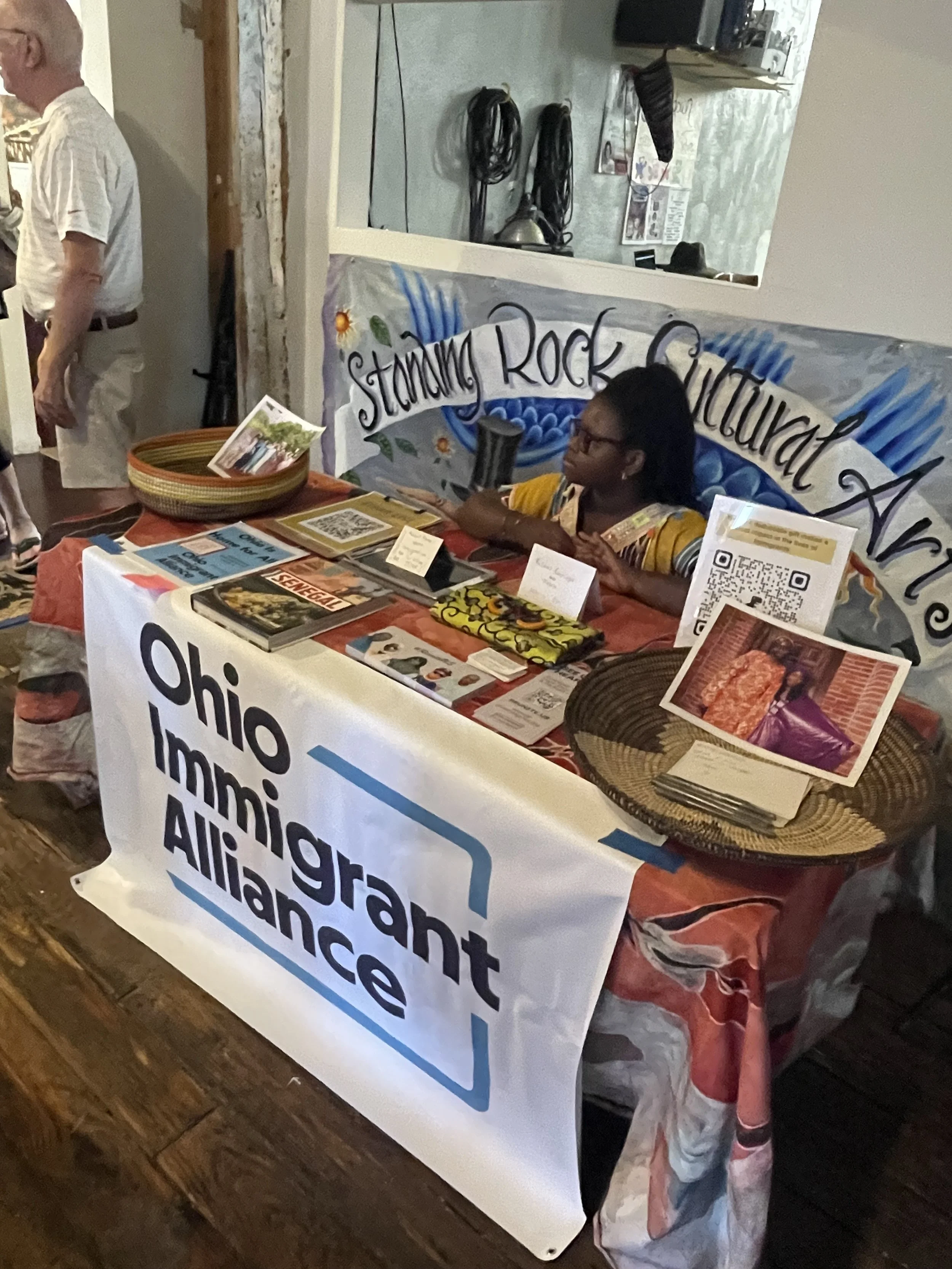
“I want you to know you are loved, welcomed, and exactly where you’re supposed to be.”
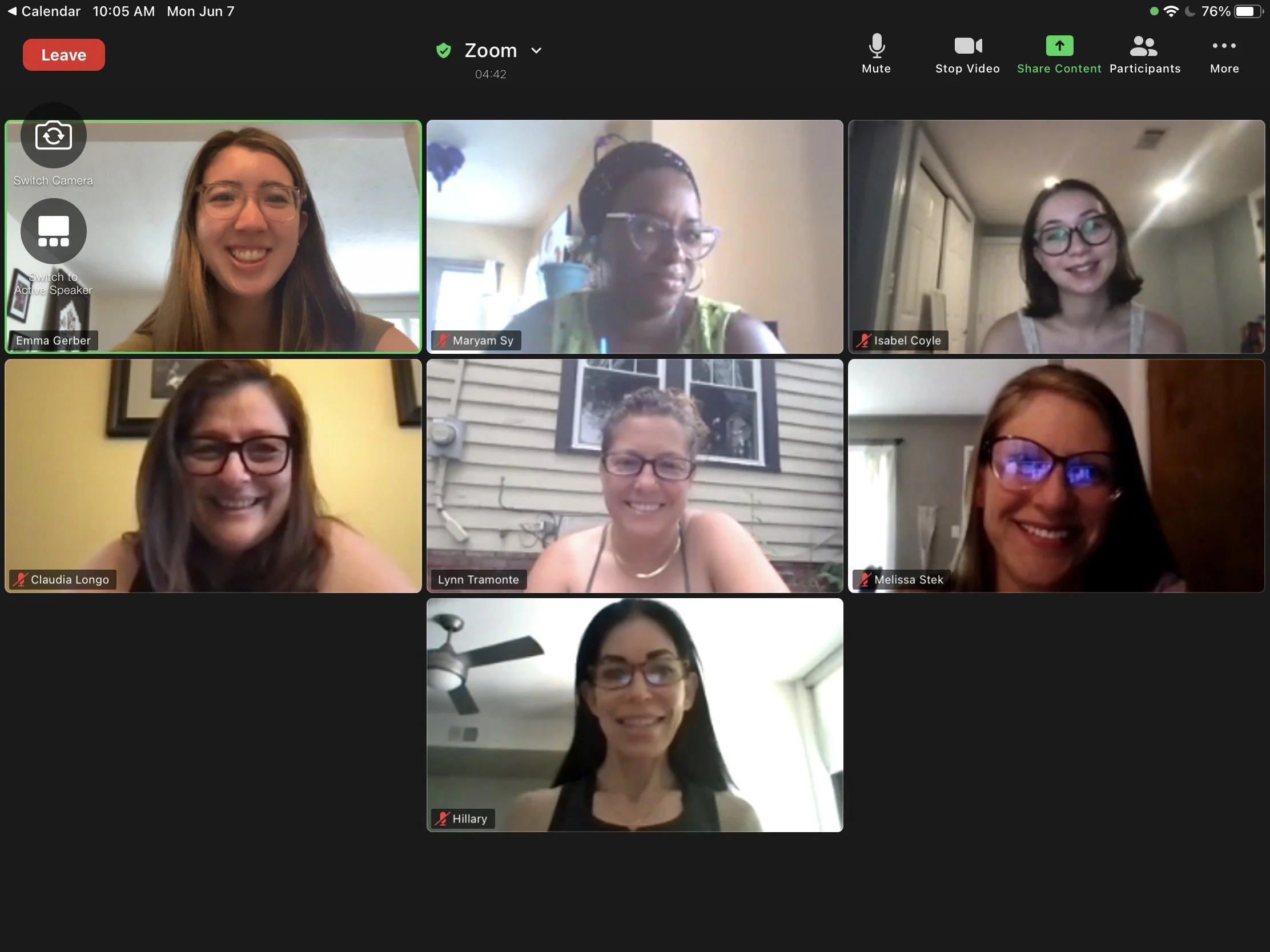
The WTF Community Event was a space focused on art, healing, and action, featuring live music, hands-on art, wellness offerings, and opportunities to connect with other organizations doing meaningful work. Maryam was warmly welcomed by the community, and also got reaffirming messages that Ohioans indeed want immigrants to feel at home.

Indigenous displacement, accountability, and art
Art helps us process the idea of “place,” especially when governments build borders overnight, and force us to live between them. Indigenous people understand this better than anyone.
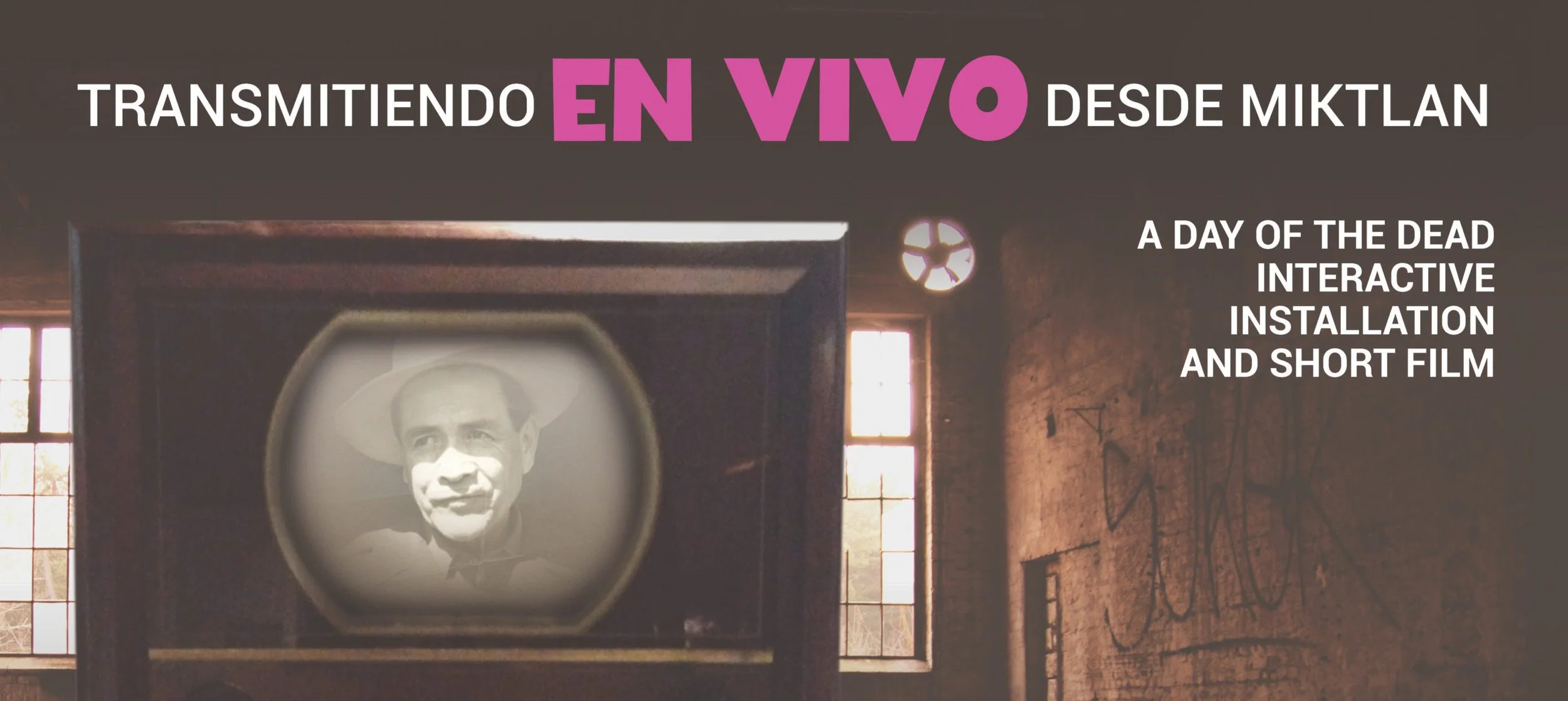
Get to The Sculpture Center in Cleveland before November 8 to see Federico Cuatlacuatl’s exhibit, “Xoxal: Baño de Fuego.”


Pulaagam: A Celebration of Fulani Heritage
The Fulani people are the largest nomadic ethnic group in the world, with significant presence in Ohio. Houleye Thiam, whose poetry was featured in Volume 1 of the Ohio Migration Anthology, anchored “Pulaagam: A Celebration of Fulani Heritage,” an event curated by Maryam Sy.
Thiam welcomed the crowd with a brief introduction to Fulani pride and the program. “In Fulani culture,” she said, “in order for you to shine, I don't have to dim my light. We can all shine together.”