Blog


Category
- Action Alert 11
- Africa 4
- Announcement 1
- Anthology 32
- Art 43
- Asylum 3
- Blog 8
- Congress 9
- Courts 55
- DeWine 3
- Deportation 306
- Detention 245
- Detroit ICE 220
- Donate 9
- Dream 5
- Economy 24
- Entrepreneurship 1
- Family 2
- General 53
- Good News 98
- Hate Crime 1
- Indigenous 3
- Justice 246
- Legislation 3
- Litigation 1
- Mauritanian Campaign 137
- Membership 11
- Narrative 98
- Nest 4
- Politics 23
- Public Safety 1
- Racism 94
- Refugees 19
- Research 9
- ReuniteUS 82
- Solutions 74
- TPS 61
- Vio 1
- Violence 13
- Volunteer 21
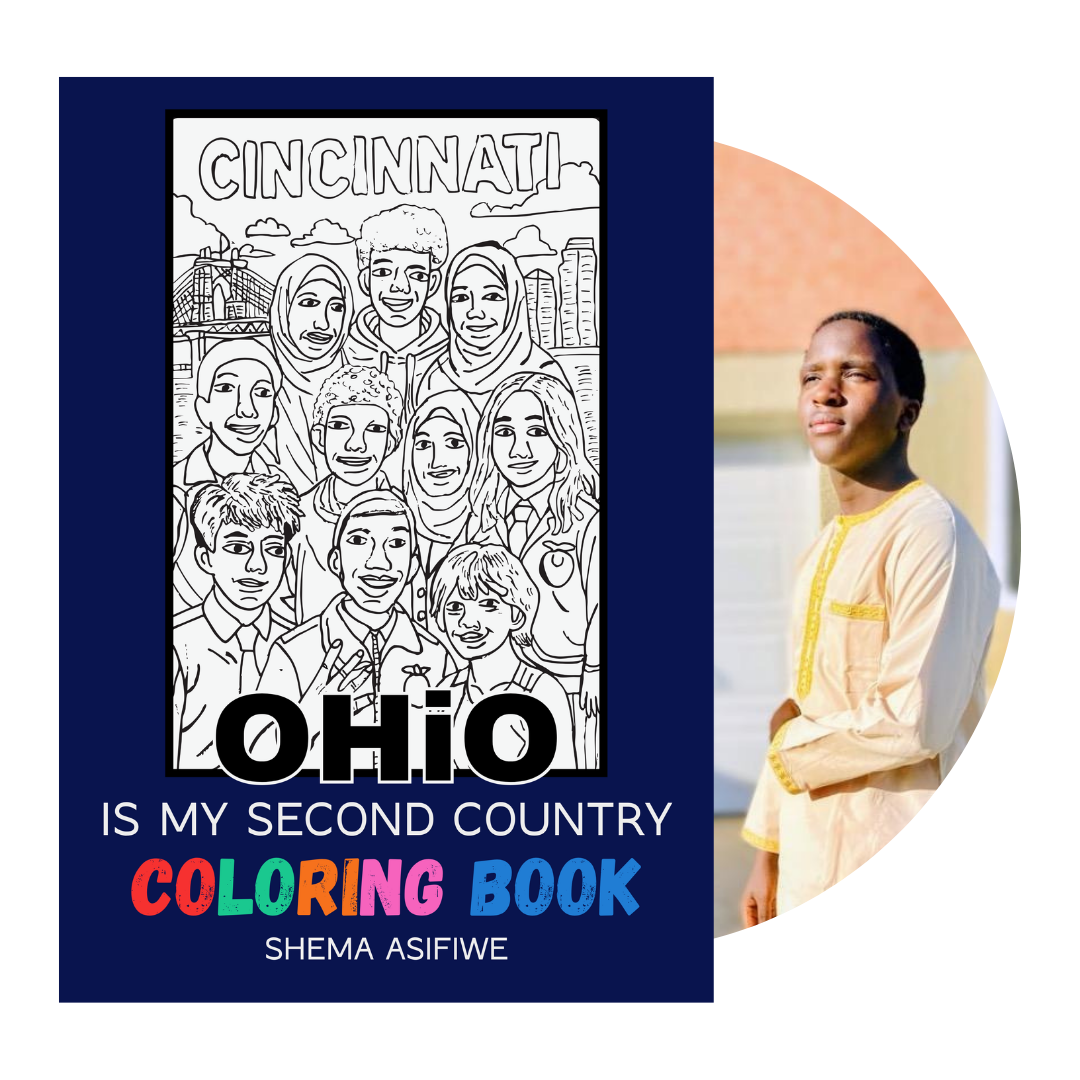
Free Review Copies of OIA Books Now Available
Now, journalists, book reviewers, librarians, educators, and camp, scout, or other group leaders may request free review copies of Ohio Is My Second Country and From Welcome To Deportation via these media kits.

Migrants Know the Solutions
If you want to know what’s wrong with the U.S. immigration system and how to make it work, don’t ask Congress. All they have done is over-fund the out-of-control agencies. Ask the immigration lawyers, and former immigration judges, agents, and immigrants who have been on the inside — some of whom have been violently discarded after building lives here for decades.
That’s what Demba Ndiath did in his new book, From Welcome To Deportation. Learn more about solutions from immigrants, lawyers, and judges in this blog post.

CAN’T MISS: “Ohio Is My Second Country” Concert & Book Launch
Salif Sarr is a Mauritanian-Ohioan pop star. Shema Asifiwe is the Cincinnati-based artist (and high school student) behind the Ohio Immigrant Alliance’s new coloring book. Demba Ndiath is about to publish his book about West African migration to Ohio.
They are all part of “Ohio Is My Second Country,” the Ohio Immigrant Alliance’s fourth presentation at the Columbus Arts Festival on June 13.
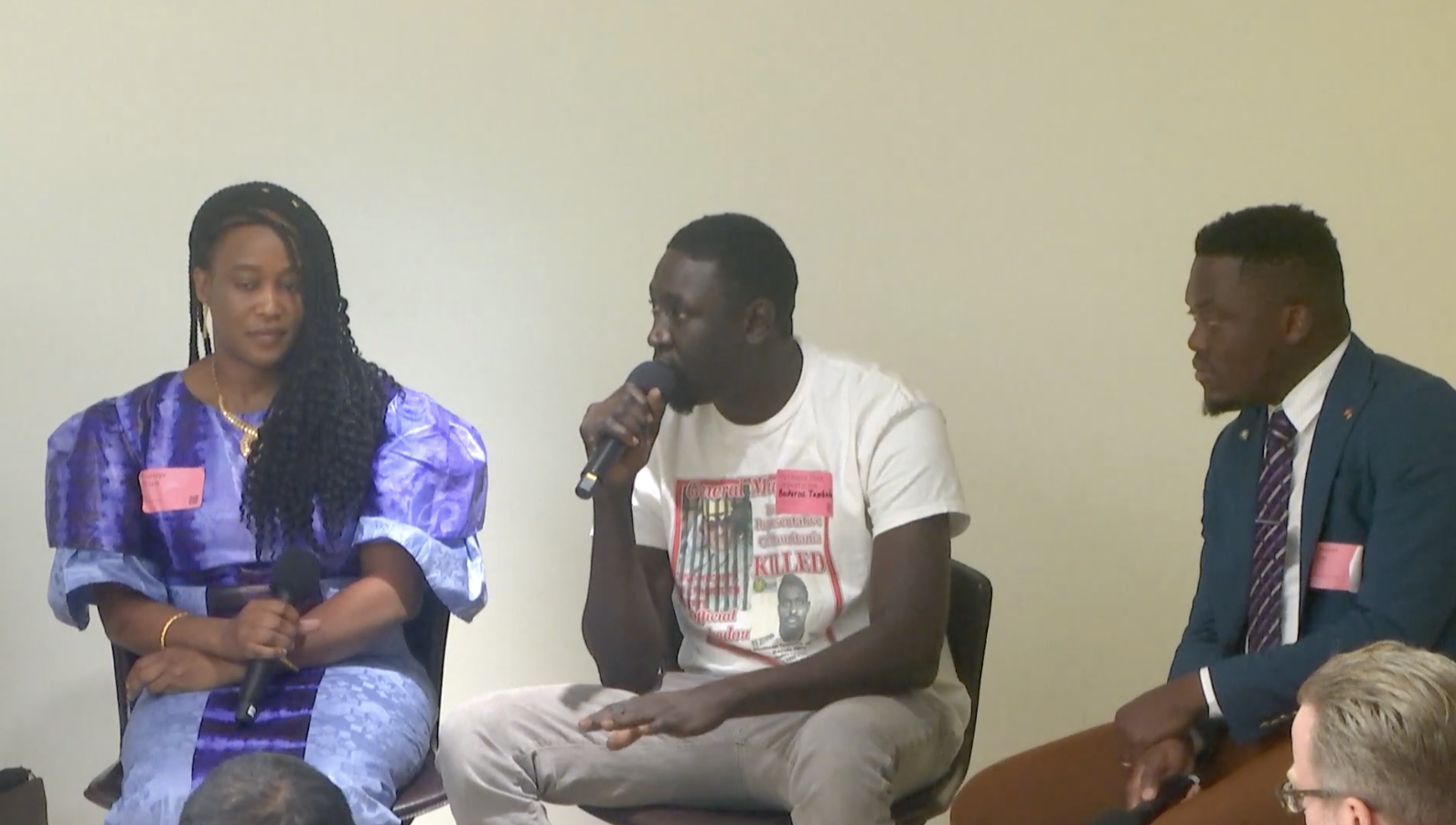
“Let Ohio be Tambadou’s safe and permament home”
The Cincinnati Enquirer published an important story about an Ohio man at risk of detention and deportation (read behind paywall). Nadhirou Tambadou is a hero and leader of a movement to demand human rights for Black Mauritanians, who was finally forced to seek safety in the United States after years of persecution by the Mauritanian government.
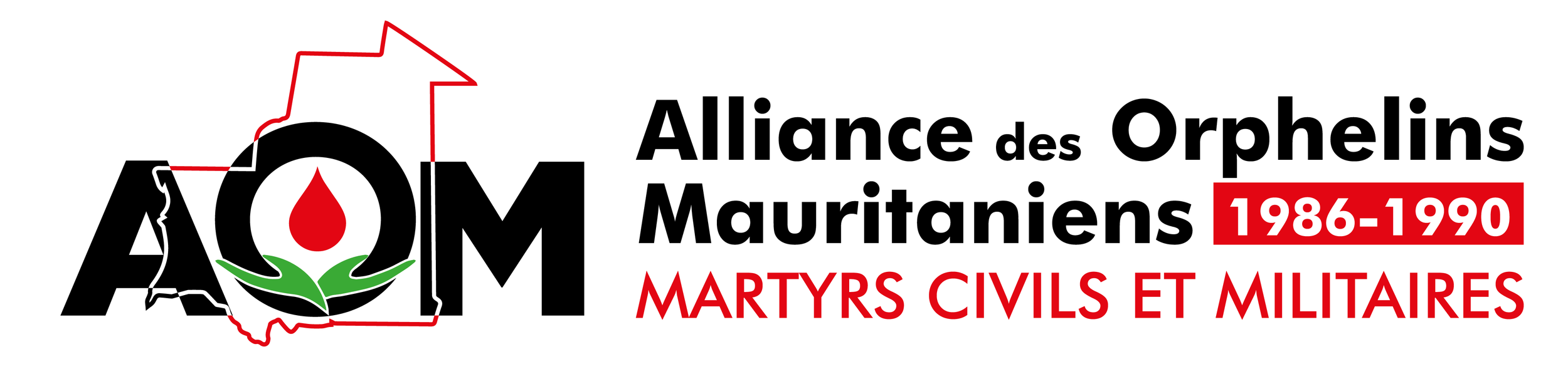
“Our brave mothers raised us”
Get to know five men who are part of the Mauritanian widows and orphans movement. A day before International Human Rights Day these brave young men — who sought asylum in the US — joined with other leaders to talk about Black civil rights in Mauritania today, and why they continue to demand justice and equality, and seek safety in the United States.

Ahead of International Human Rights Day, Genocide Survivors Demand Justice
Ahead of International Human Rights Day on December 10, human rights defenders with the Mauritanian Network for Human Rights in US, Progressive Forces of Change (Columbus Chapter), and Mauritanian Orphans’ Alliance documented the Mauritanian government’s ongoing persecution of Black Mauritanians in a webinar for members of the media and lawyers.
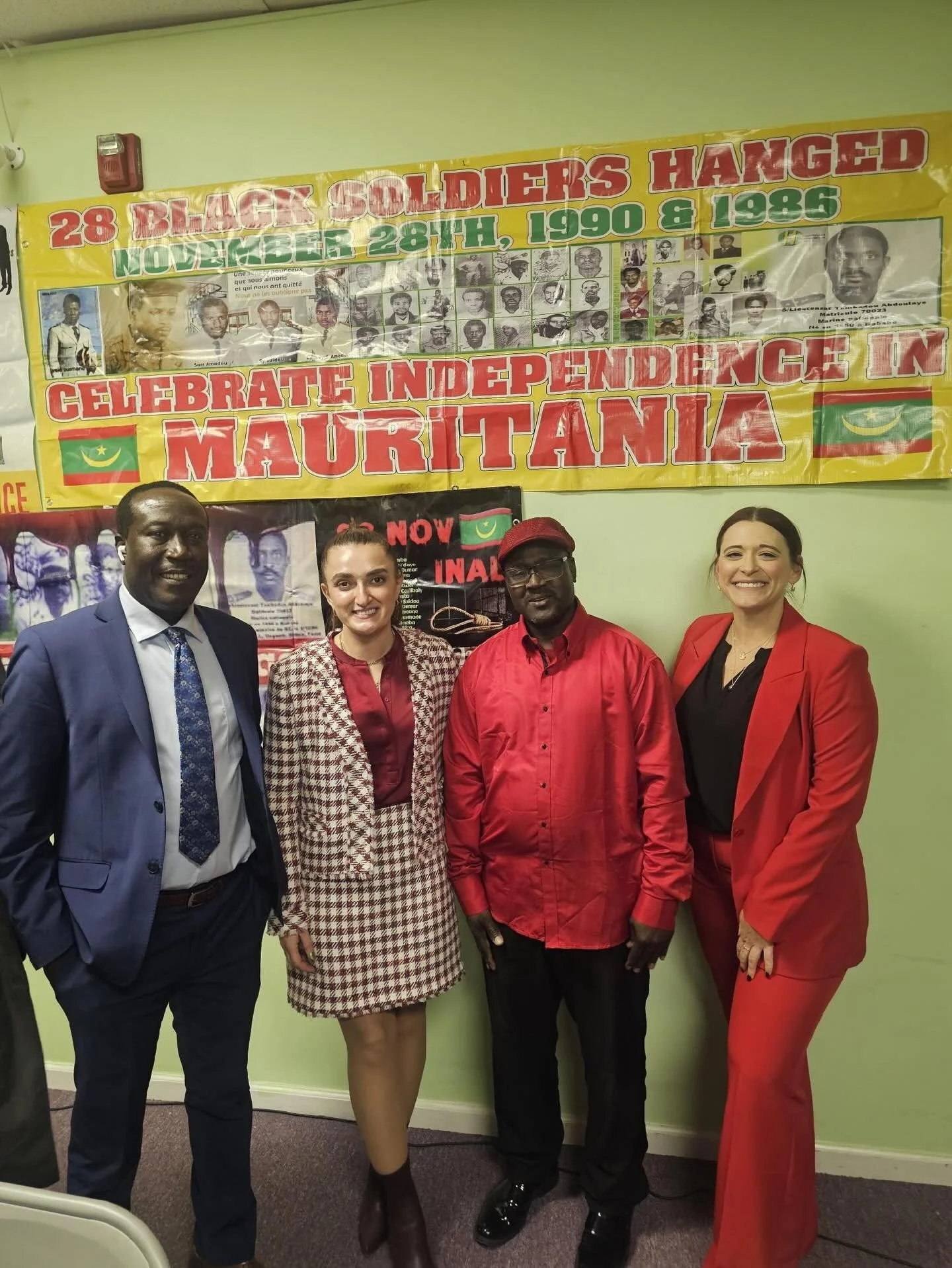
Ahead of International Human Rights Day, Civil Rights Defenders and Genocide Survivors Provide Update on Mauritanian Apartheid
Black Mauritanians have been arrested, tortured, and even killed for demanding full and equal treatment on land their families have called home for centuries. On December 9, at 1pm ET, ahead of International Human Rights Day, civil rights leaders and genocide survivors will provide an update on the state of Black Mauritanians’ civil rights. The briefing will be useful for members of the media, and lawyers working on asylum cases.
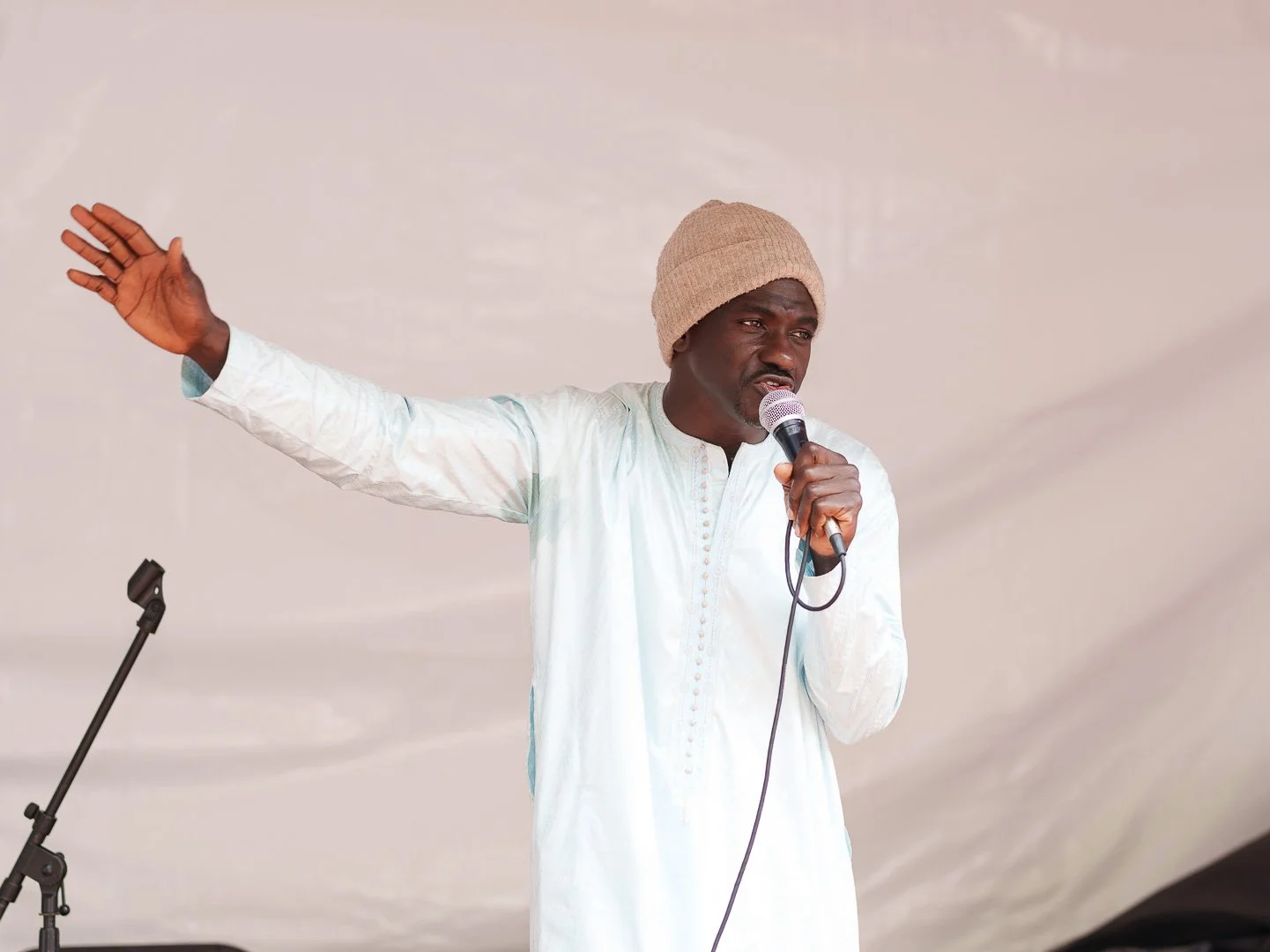
Souleye’s “Dark Journey” — Annotated
This annotated version of Souleye Ball’s poem provides cultural references and context for people who aren’t familiar with Mauritanian history, culture, geography, and U.S. immigration policy. It offers a deeper level of understanding of the poem, and we invite you to listen to his delivery as well.


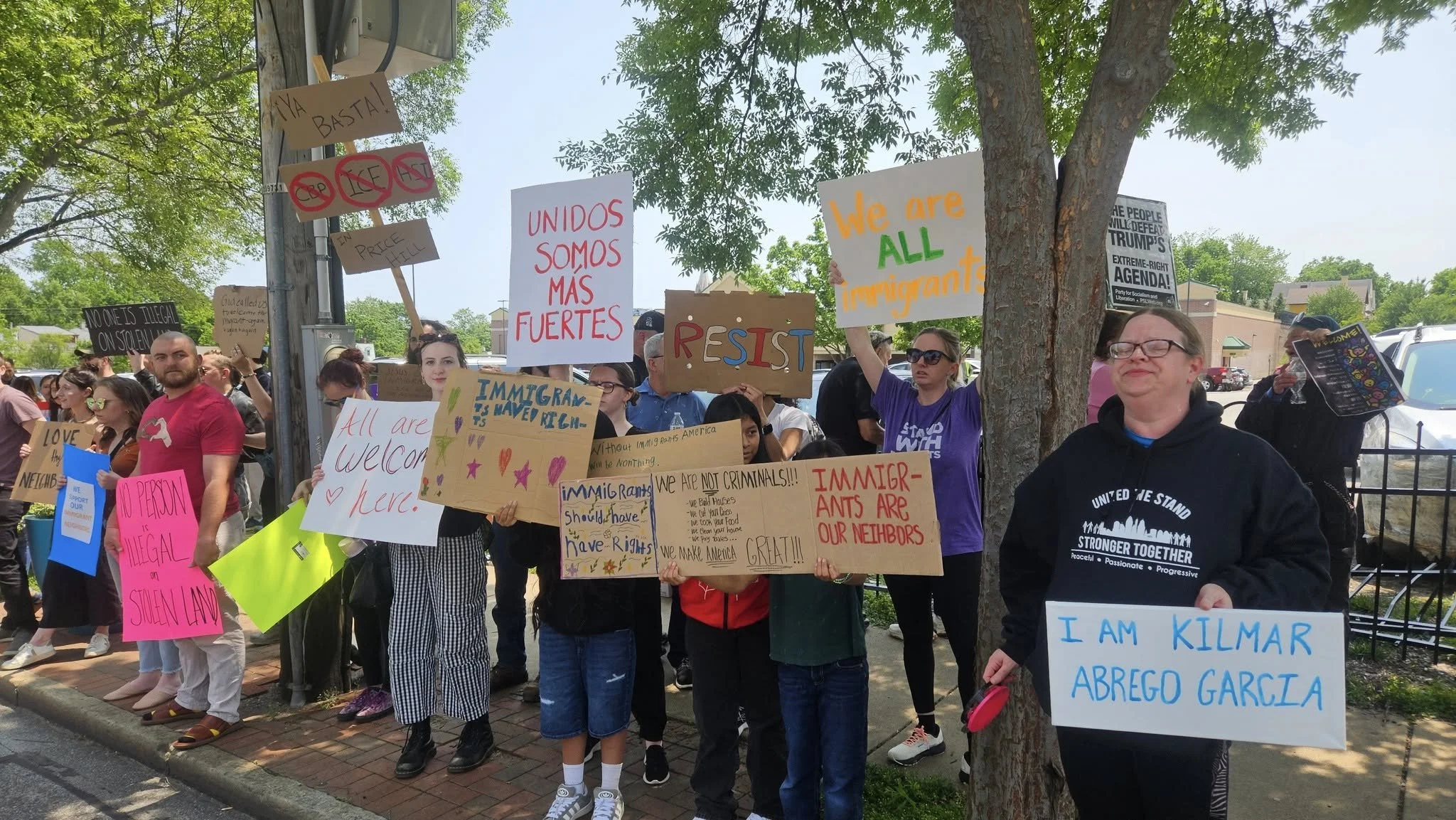


Pulaagam: A Celebration of Fulani Heritage
The Fulani people are the largest nomadic ethnic group in the world, with significant presence in Ohio. Houleye Thiam, whose poetry was featured in Volume 1 of the Ohio Migration Anthology, anchored “Pulaagam: A Celebration of Fulani Heritage,” an event curated by Maryam Sy.
Thiam welcomed the crowd with a brief introduction to Fulani pride and the program. “In Fulani culture,” she said, “in order for you to shine, I don't have to dim my light. We can all shine together.”