“Let Ohio be Tambadou’s safe and permament home”
The Cincinnati Enquirer published an important story about an Ohio man at risk of detention and deportation (read behind paywall). Nadhirou Tambadou is a hero and leader of a movement to demand human rights for Black Mauritanians, who was finally forced to seek safety in the United States after years of persecution by the Mauritanian government. Writes journalist Patricia Newberry:
Tambadou came to Cincinnati three years ago after a life of trauma in Mauritania.
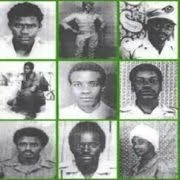
His father was killed in 1990 when he was 7 years old, one of 28 victims in what became known as the country's Inal torture camp. Military attackers killed Abdoulaye Tambadou and the other 27 men as part of an ethnic cleansing strategy that targeted darker-skinned Black Mauritanians.
Most of the targeted men were forced to watch as their comrades were hanged, recounted "Hell in Inal," a book about the massacre.
The officer in charge went from "one hanged man to another, finishing off those who take too long to die with blows from an iron bar," reported the account from survivor Mahamadou Sy.
According to “Hell in Inal,” Tambadou's father was killed just before the hangings, shot to death by Mohamed Bamba Meguett. Meguett, an Army captain in 1990, is now president of the Mauritanian National Assembly, a position equivalent to speaker of the parliament.
A Lifetime of Advocacy For His Father — And All Black Mauritanians
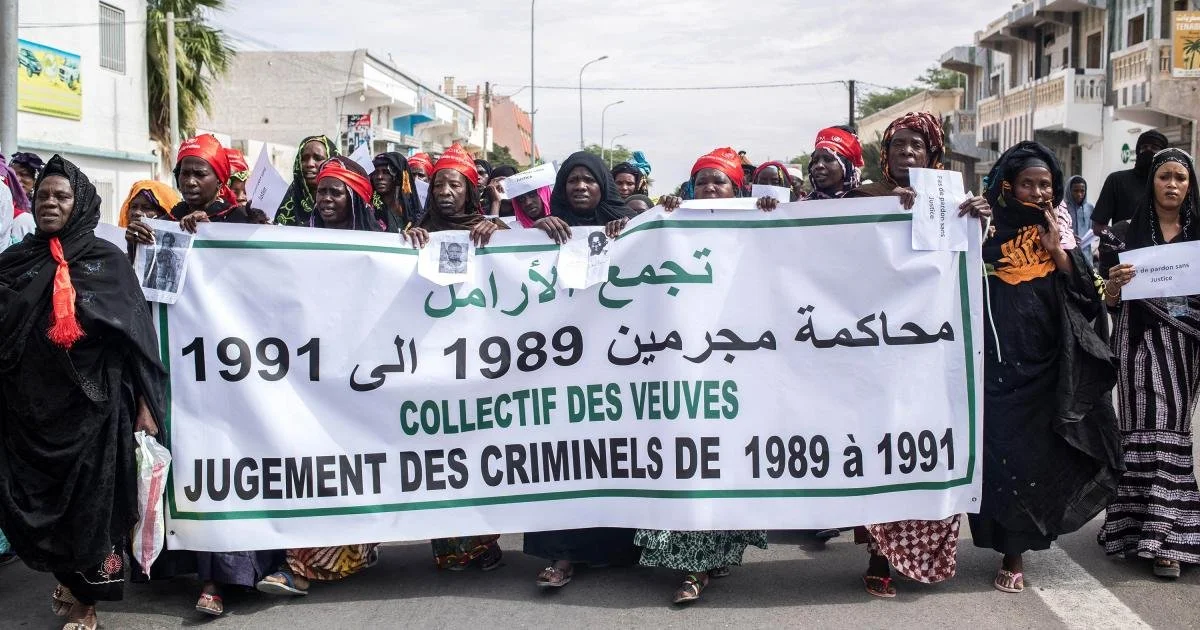
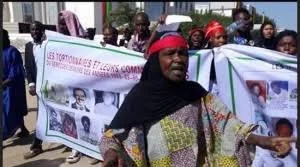
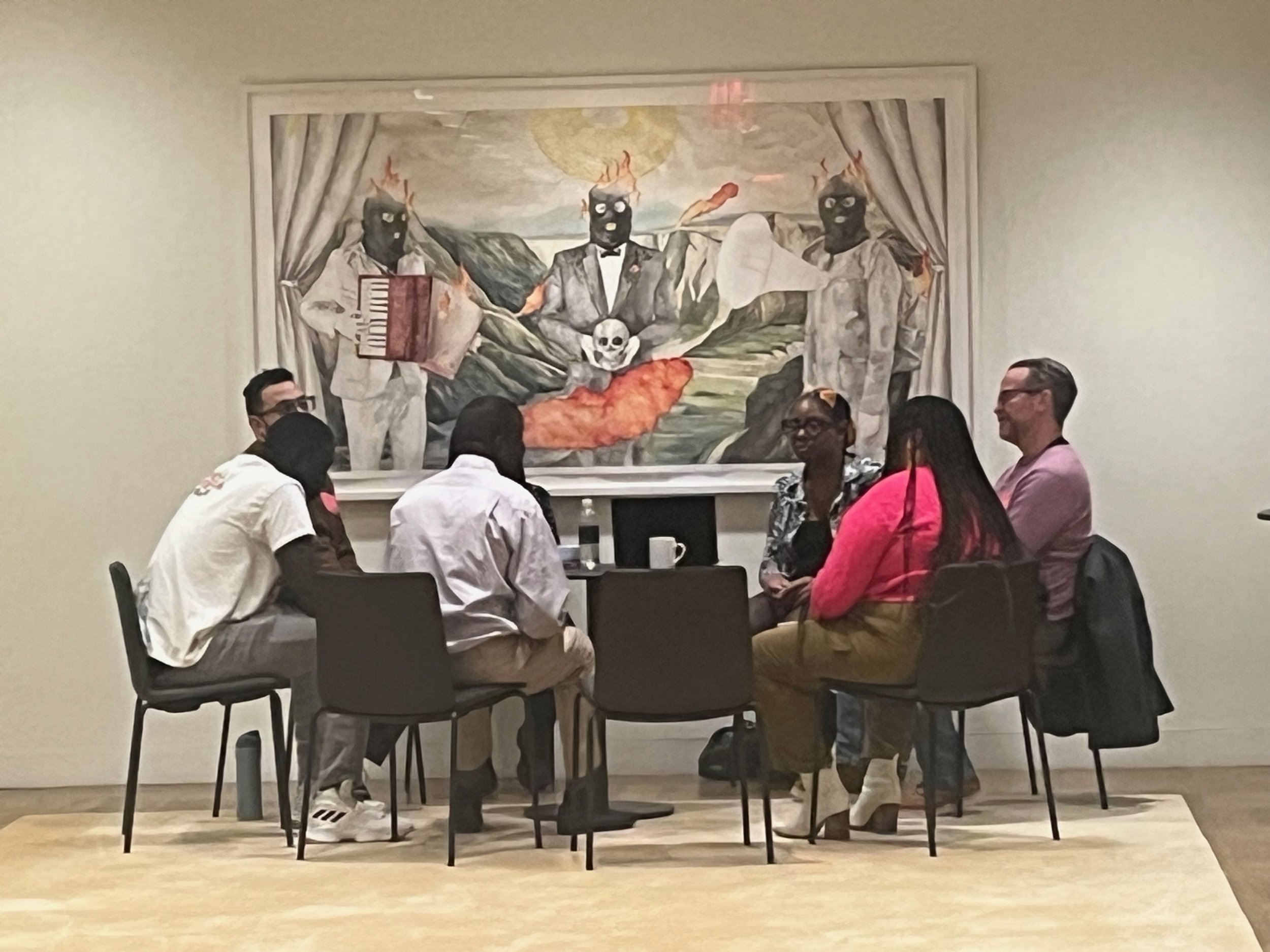
Tambadou spoke in a December 2025 forum hosted by the Ohio Immigrant Alliance, Mauritanian Network for Human Rights in US, Progressive Forces of Change (Columbus Chapter), and Mauritanian Orphans’ Alliance, to mark International Human Rights Day. He said he was seven years old when his father was killed by the Mauritanian military. For years, he waited for his father to return. Tambadou’s mother and now he, as an adult, became leaders of the “Widows and Orphans movement” in Mauritania. People whose loved ones were murdered at military torture camps have been demanding justice and accountability from the Mauritanian government for over thirty years, at great personal risk.
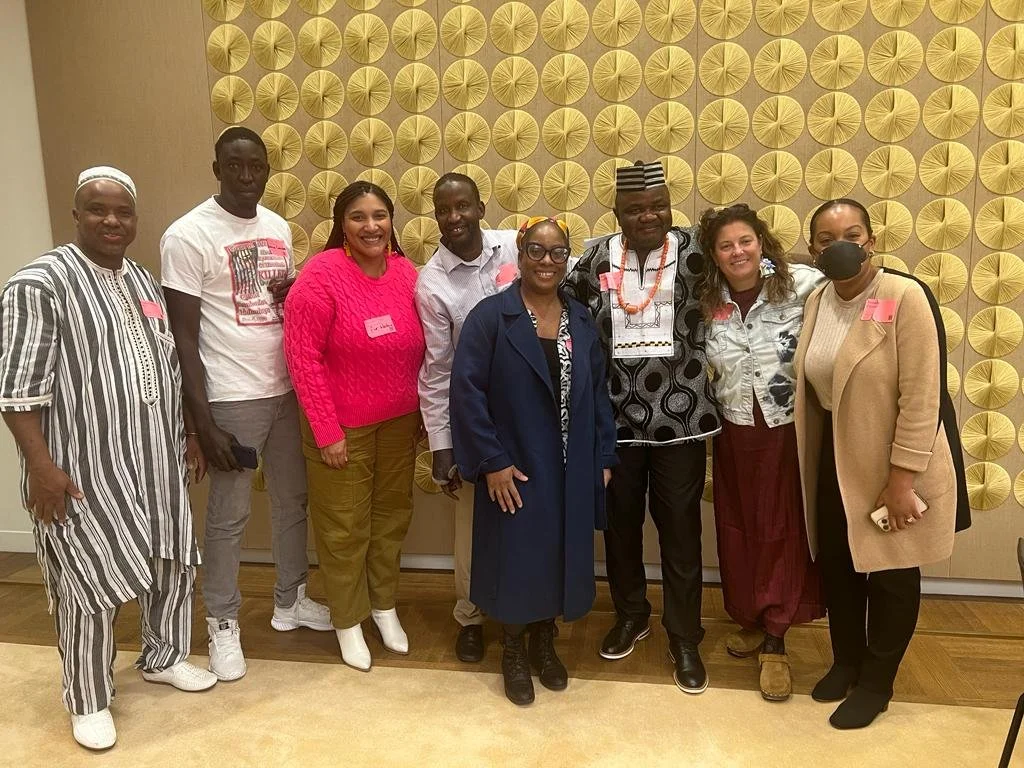
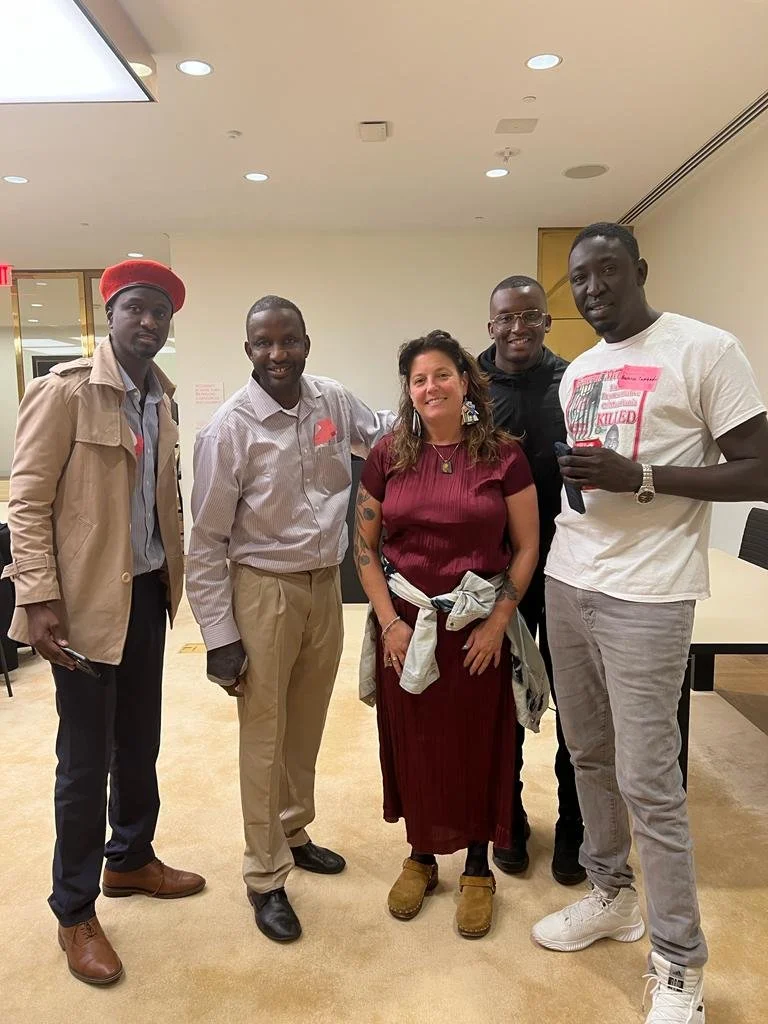
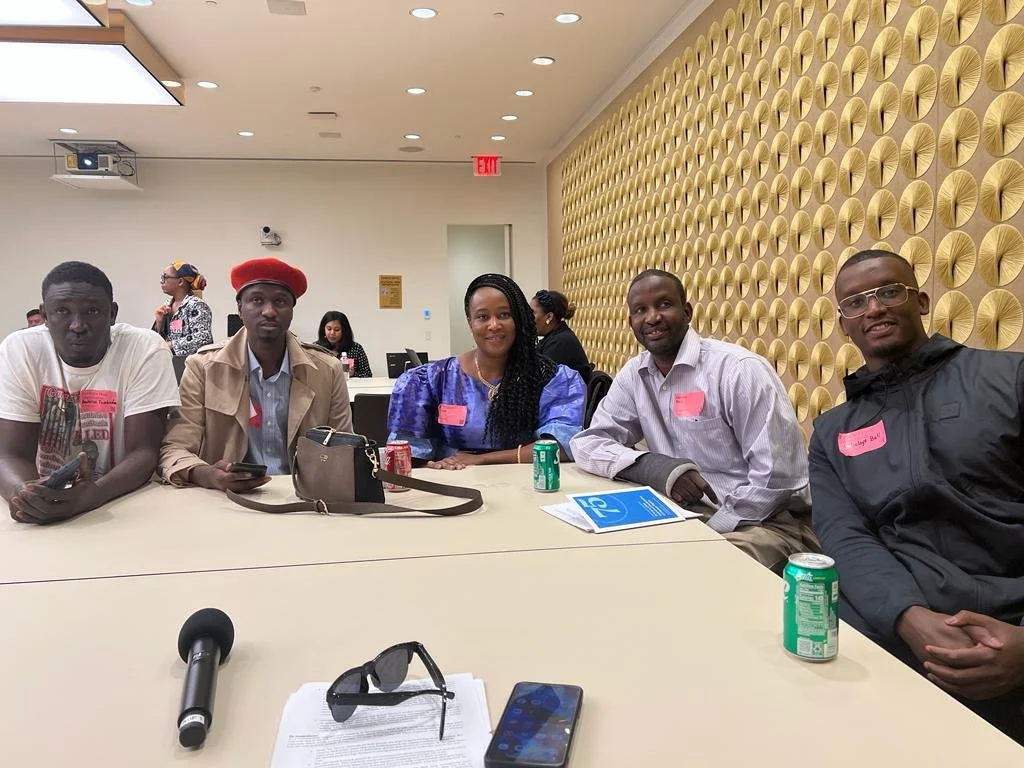
In November 2024, Mauritanian police threw tear gas into Tambadou's family home, and a 2-month old relative was rushed to the hospital with breathing problems. Just a month later, he spoke out about the government’s treatment of Black Mauritanians in another forum hosted by OIA, the Mauritanian Network, and the Cameroon Advocacy Network at the Ford Foundation in New York (see video starting at 33:00). The session was titled “Dystopia, Then Deportation,” and it both diagnosed deficiencies in U.S. humanitarian protection and offered solutions. Read the report about the event here.
the trump administration wants to send tambadou to uganda
Said Lynn Tramonte, Executive Director of the Ohio Immigrant Alliance, “If Tambadou doesn’t obtain asylum in this administration, then nobody can.” But the U.S. government wants to deport him to Uganda, a country to which he has no ties and is notoriously dangerous for Muslims.
Oumar Ball is Tambadou’s uncle and a leading expert on apartheid and oppression in Mauritania. He said, "Hope is broken. If you send him to Uganda, he will be killed."
“ohio is my second country”
Black Mauritanians have been making Ohio home for over three decades, establishing major populations in Columbus and Cincinnati, raising their families, working hard, and settling into the American Dream. As Birane Wane said after his deportation to Mauritania, “Ohio is my second country.” Still, Black Mauritanians in the diaspora never stop advocating for human rights in their native land. People would rather have the choice to remain where they were born, instead of being forced to leave.
For years, deportations from the U.S. to Mauritania rarely happened, because the country is not safe. But the first Trump administration abruptly changed the policy. Black people who had survived and fled genocide were suddenly being sent back to a country that had tortured them. Many were arrested again in Mauritania, held in jails until they were able to get a friend or relative to pay to secure their release. Those who refused to board U.S. deportation planes, knowing what awaited them in Mauritania, were put in The WRAP straightjacket and thrown onboard. Learn about the deportation experiences of Black Mauritanians here and here.
the new genocide in mauritania
Apartheid in Mauritania is a well-known “secret,” as the Mauritanian government is masterful at controlling the media. Even Republicans have acknowledged it. President Trump cut off trade benefits to Mauritania because of its record, and the Biden administration renewed these restrictions. U.S. House Representatives Meadows, Garrett, Duncan, Bilirakis, Zeldin, and Perry wrote to the International Monetary Fund about the apartheid state there, and Representatives Chabot, Smith, Wright, Sensenbrenner, and Burchett sent a similar letter to Secretary of State Pompeo. Representative Mike Carey teamed up with then-U.S. Senator Sherrod Brown to introduce legislation authorizing Temporary Protected Status for Mauritanians.
While the mass murder of Black people that took place in the late 1980s and early 1990s is no longer happening in Mauritania, the government is implementing more sophisticated methods to restrict the rights, education, employment, and mobility of Black people in their own country. As OIA wrote in its primer on apartheid in Mauritania, “Black Mauritanians from Fulani, Soninke, Wolof, and other ethnic groups have rich histories and cultures that the Moorish government has been trying to extinguish for decades. In most cases the world has failed to act, or even notice. That must change.”
Said Tramonte, “Granting Tambadou asylum in the United States is a life-or-death matter. His case is the reason why asylum laws exist. Tambadou is a brave and courageous hero whose life is dedicated to his father’s legacy, and achieving justice for Black Mauritanians. If we really believe in democracy and human rights, our government should grant Tambadou asylum and let Ohio be his safe and permanent home.”
Read more about human rights in Mauritania here.
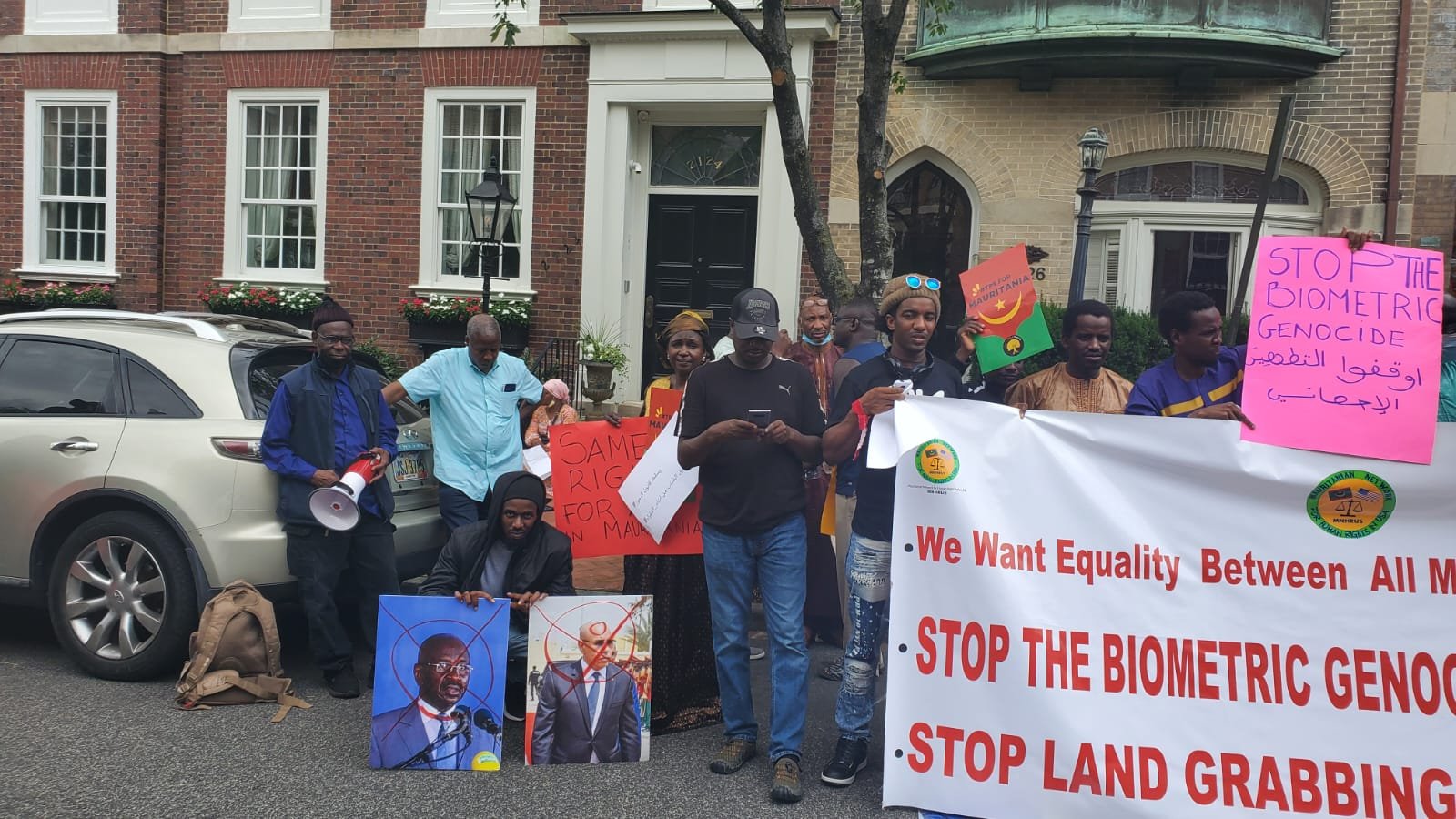
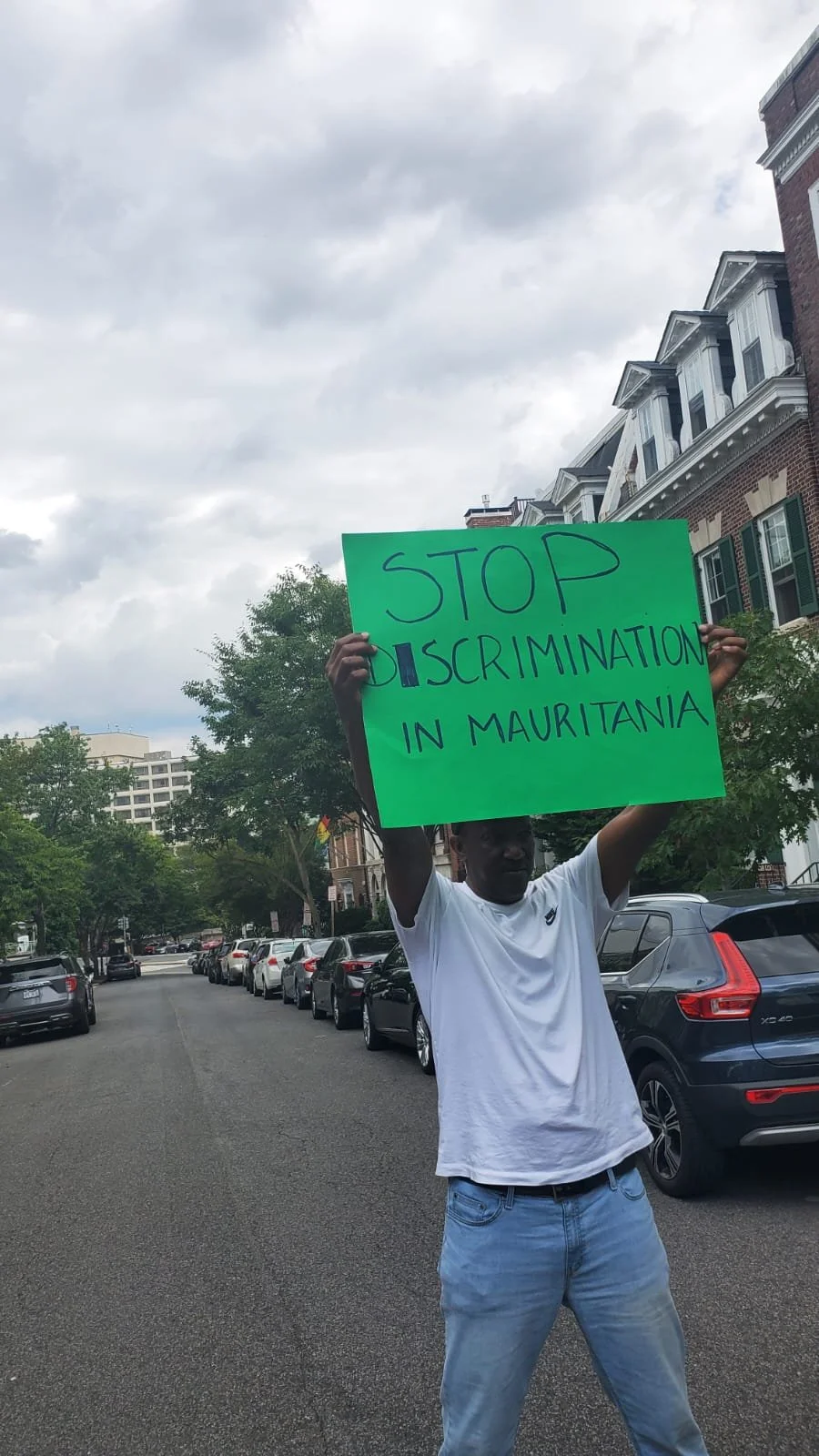
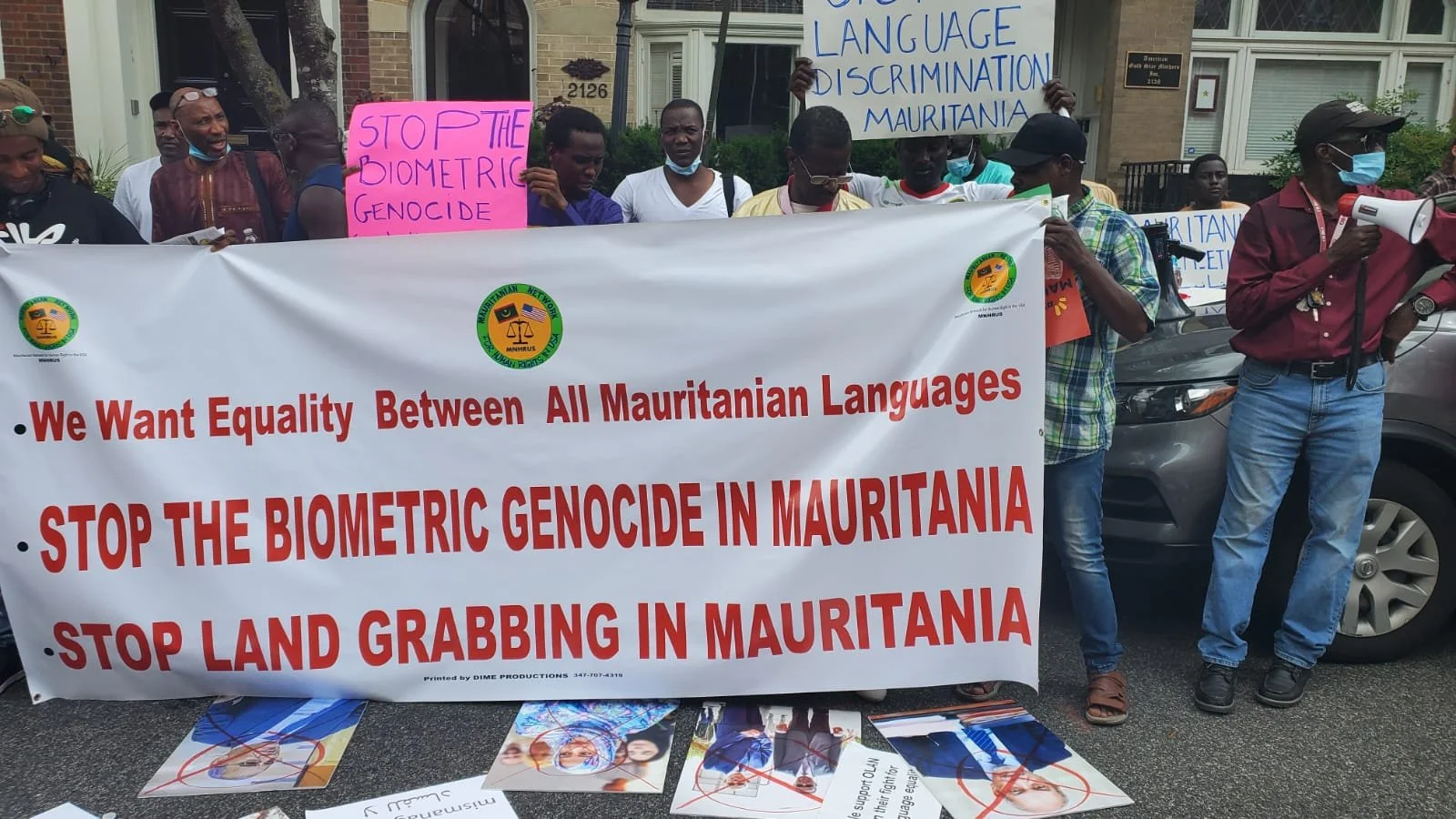
View photos of some of the men killed at Inal; the widows and orphans protests; other protests by Black Mauritanians; and Tambadou at the Ohio Immigrant Alliance forum in New York City in December 2024 below.