Unshackle Springfield
A Four-Day Reflection on Ankle Monitoring, Haitian Resilience, and the Other Face of America
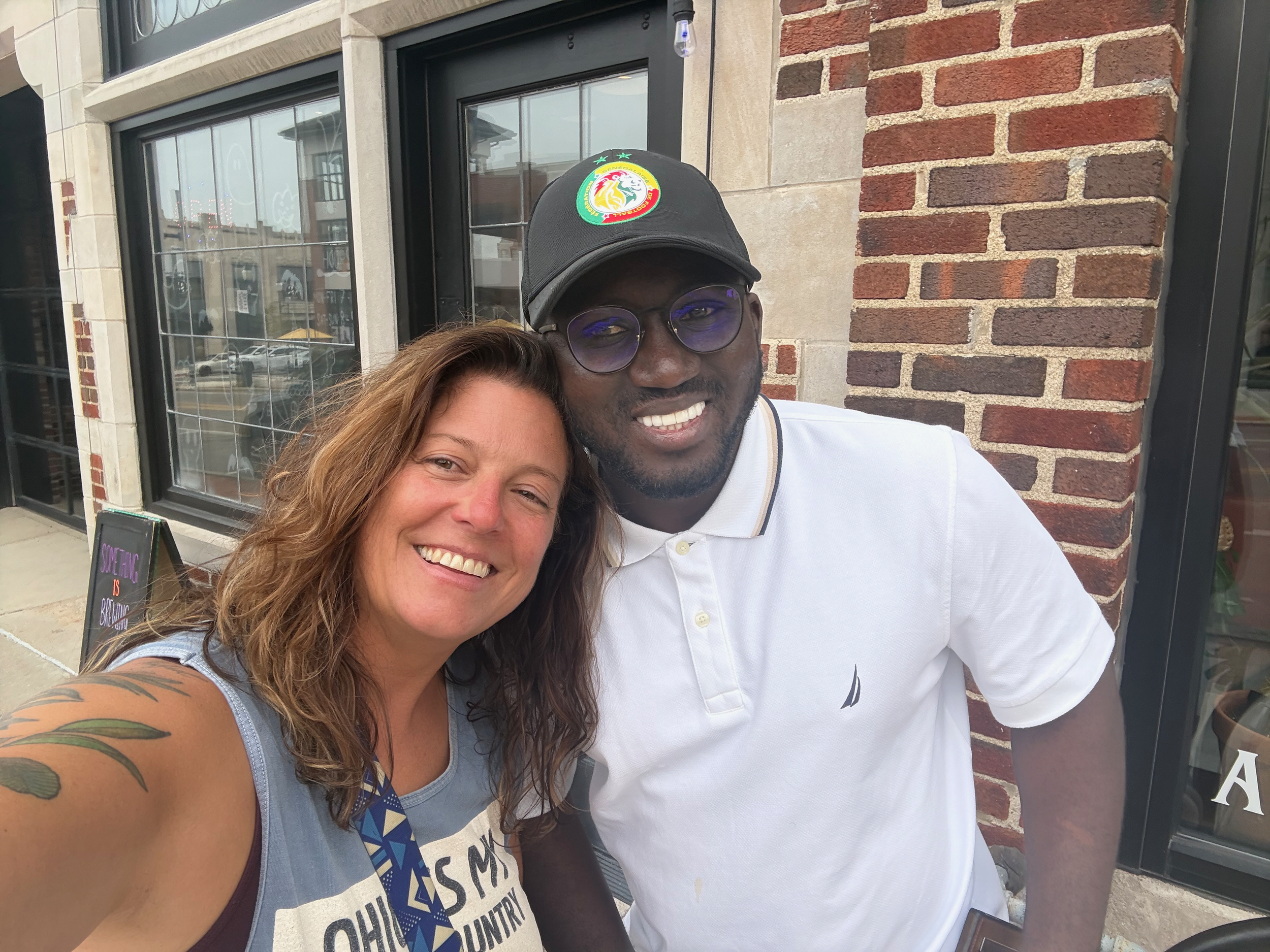
Guest Blog by Demba Ndiath
The goverment calls these shackles “alternatives to detention,” but for the people I met, they feel like a visible punishment for a crime they had not committed.
Why I Went to Springfield
I spent four days in Springfield, Ohio, standing with members of the Haitian community during a period of extraordinary fear and uncertainty. I traveled as the Advocacy Director of the Ohio Immigrant Alliance to listen, assist, interpret, and show solidarity. I am not licensed to practice law, and my role was not to provide legal representation. Alongside other volunteers, I helped migrants complete their own requests asking immigration authorities to remove their ankle monitors or modify the conditions of their release.
Because I speak French, I also interpreted between French and English so participants could understand the questions, explain their circumstances, and express in their own words how electronic monitoring (what they and we are feel is better called “shackling”) is affecting their lives.
Behind every piece of paper we filled out was a person trying to work, care for a family, attend church, and live with dignity. So often, immigrants are reduced to A-numbers and application forms. With the shackles ICE placed on them, they were being treated like animals or, as many people have pointed out, slaves. This was front and center in everyone’s mind, including mine.
A Device That Changes Everyday Life
Many people told me the ankle shackles had transformed ordinary activities into painful and stressful experiences. They reported swollen ankles, difficulty walking, disrupted sleep, and constant anxiety. Two men explained that their jobs require them to wear work boots. The shackles make their boots tighter, painful, and interfere with their ability to perform their work safely and properly. Their ability to earn a living was being affected by a device that was supposedly intended to monitor their compliance with immigration agents’ instructions — something that had already demonstrated over and over again, for years.
Parents also described the impact on their children. Young children saw the devices and could not understand why their mothers or fathers had to wear them. How does a parent explain being forced to wear a visible restraint to their child? They haven’t committed a crime or done anything bad, just they have to be “monitored,” according to the government. How can you teach “right” and “wrong” to your child when this is happening? The shackle follows the whole family into the workplace, the home, the church, and the child’s imagination.
I also met a pregnant woman who had been assigned a wrist-worn monitoring device. It resembled a watch, but she experienced it as no less humiliating. Moving a monitor from the ankle to the wrist does not remove the stigma or the emotional message: you are being watched, you are not trusted, and your “freedom” can be taken at any moment. That is not actually freedom; that is control.
The Historical Weight of the Shackle
For many Haitians I met, the ankle monitor carries a historical meaning that cannot be ignored. They repeatedly compared it to the shackles of slavery. Haiti is a nation born from a successful revolt against enslavement. Against that history, placing a large and visible restraint on the bodies of Haitian migrants is not culturally or emotionally neutral. It revives memories of racial domination and denied freedom.
I am not aware, from my own extensive experience, of another immigrant population in Ohio being subjected to electronic monitoring at this scale. That observation raises a question that deserves serious public investigation: why has the Haitian community been targeted so intensely, and what role, if any, do race and national origin play in these enforcement choices? A fair immigration system should be able to answer that question with transparent data and individualized reasons, not silence.
Invited Through Humanitarian Pathways, Then Treated as Suspects
Many Haitians came to the United States through lawful humanitarian pathways, including humanitarian parole processes and the CBP One appointment system. They arrived believing that this country recognized the danger they faced and would give them an opportunity to seek protection. Now many feel they are being treated like criminals even though they have committed no crime.
This abrupt change has intensified fear throughout Springfield. The Ohio Capital Journal reported on August 31 that more than 40 Haitians in the city had been detained by Immigration and Customs Enforcement; two Haitian pastors had been detained; and residents were being required to report to ICE offices and wear electronic monitors. The report also described the end of Haiti’s Temporary Protected Status on July 27, 2026. These policy shifts are not simply administrative changes; they have immediate consequences for families, congregations, employers, and an entire city.
Returning People to Danger Is Not a Solution
The people I met did not speak as though they had rejected Haiti. One Haitian man told me that he loved his country and that many Haitians would prefer to live there if they could do so safely. Every day, he worries about relatives who remain behind. If he is returned while violence persists, he believes he will have no choice but to flee again with his family and search for safety in another country.
His message was simple: the United States would do more good by helping Haiti confront insecurity, violence, kidnapping, and the collapse of basic institutions than by forcing vulnerable people back into danger. That would help Haitians remain in the country they love and would also reduce forced migration. The U.S. Department of State’s own July 10, 2026 advisory placed Haiti at Level 4 - Do Not Travel - because of crime, kidnapping, terrorism, unrest, and limited health care. If the country is considered too dangerous for Americans to visit, the government must confront the moral contradiction of returning Haitian families there without careful, individualized protection screening.
Unshackle Springfield: Solidarity in the City Plaza
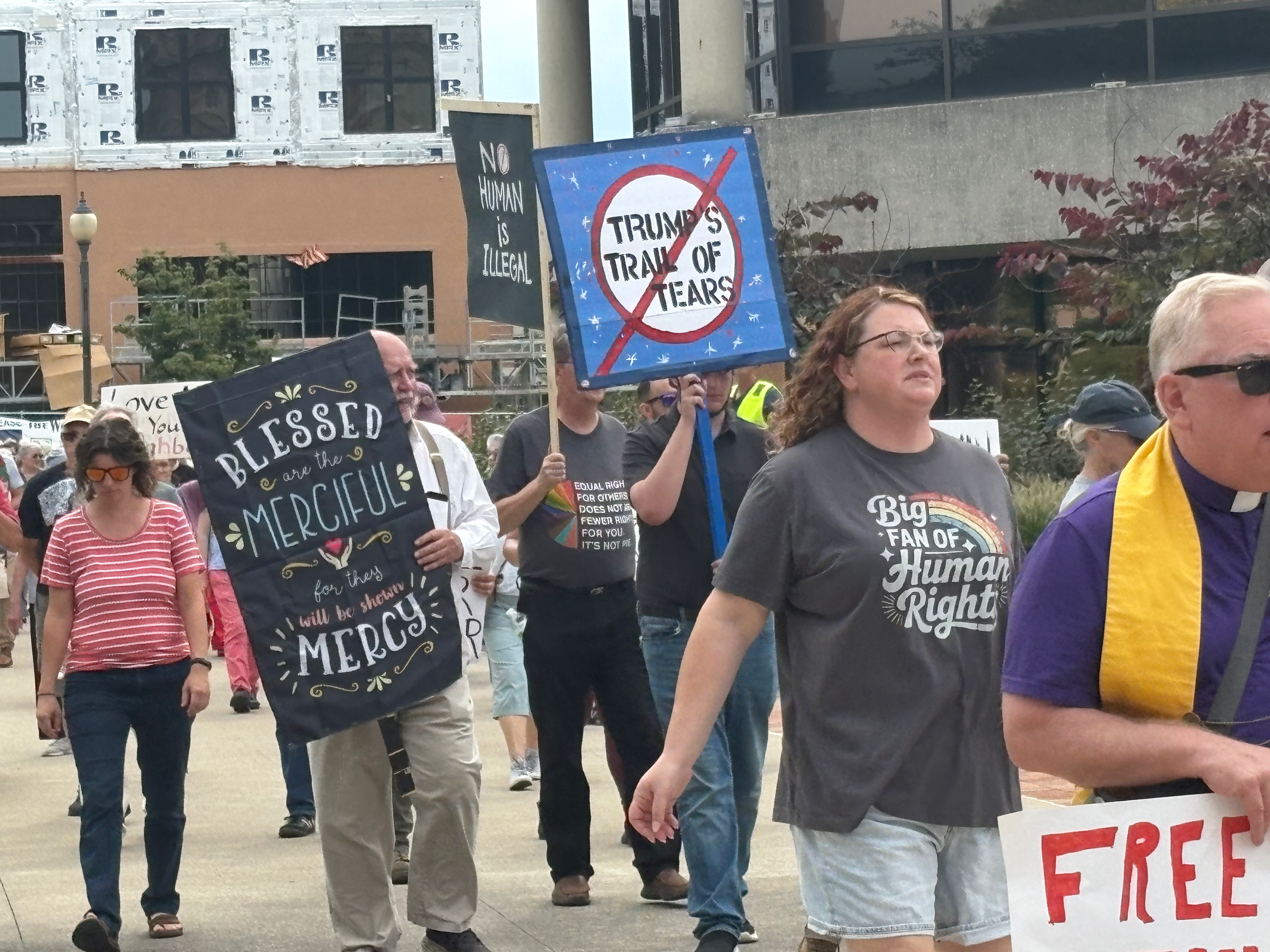
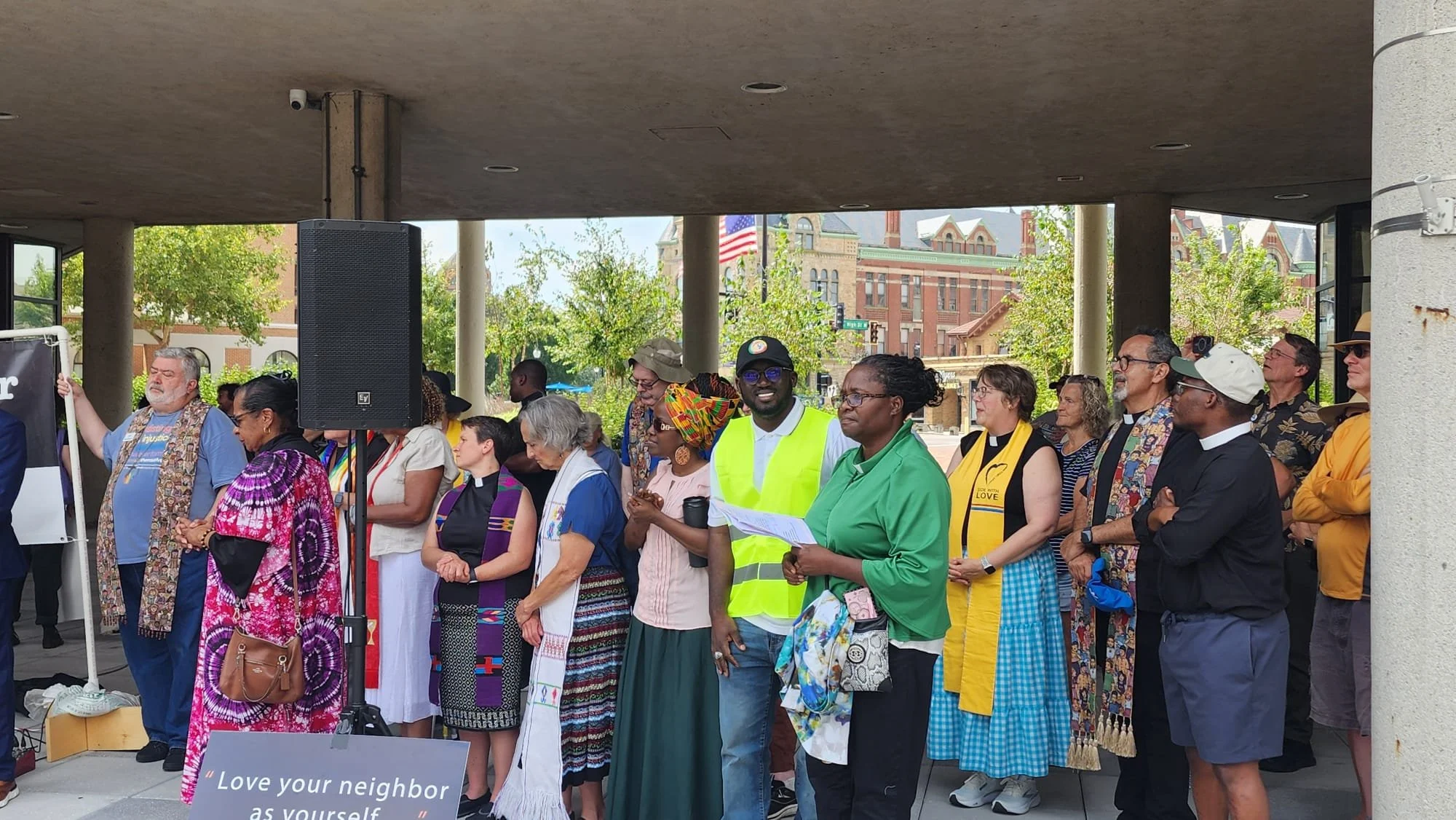
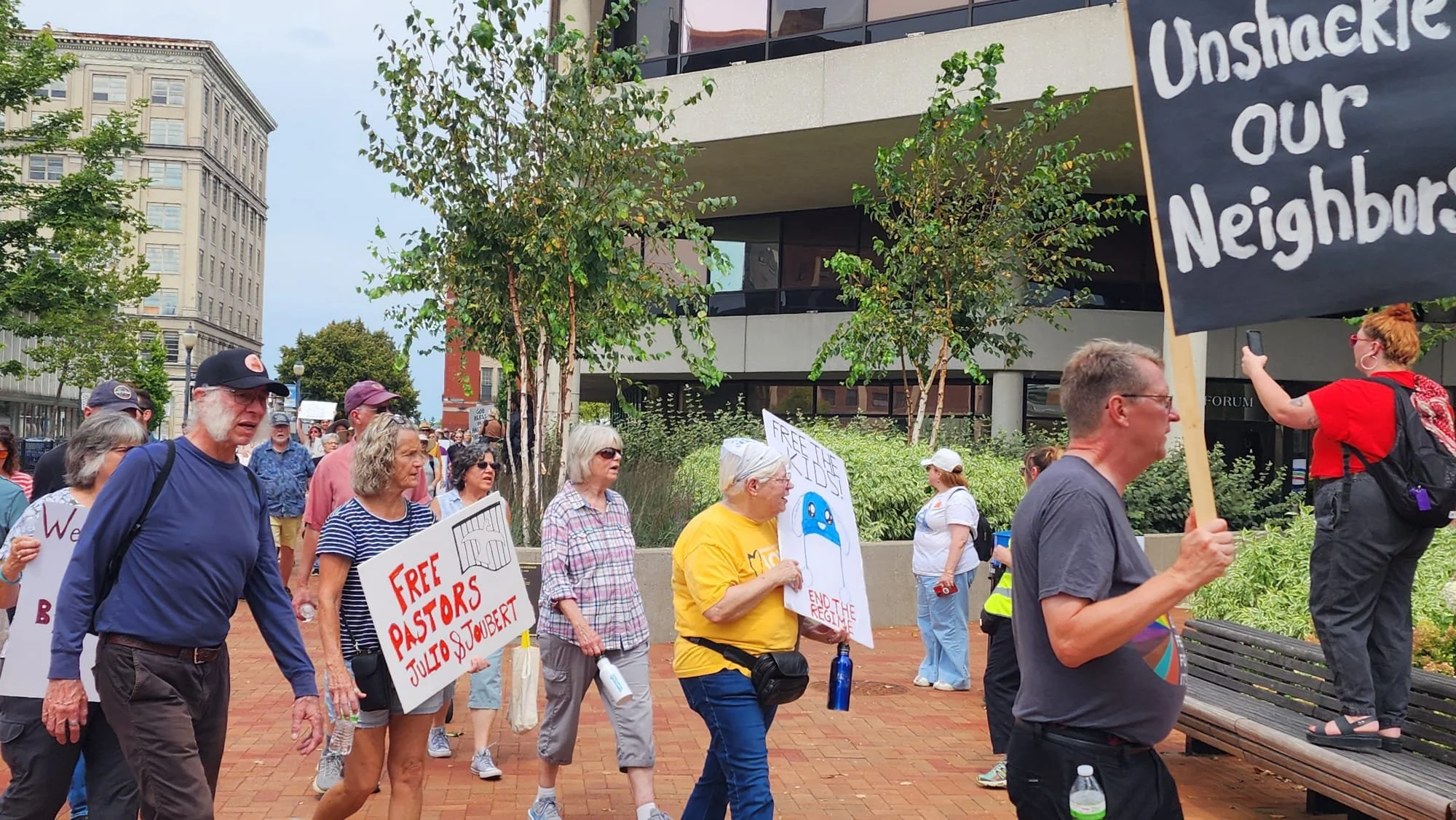
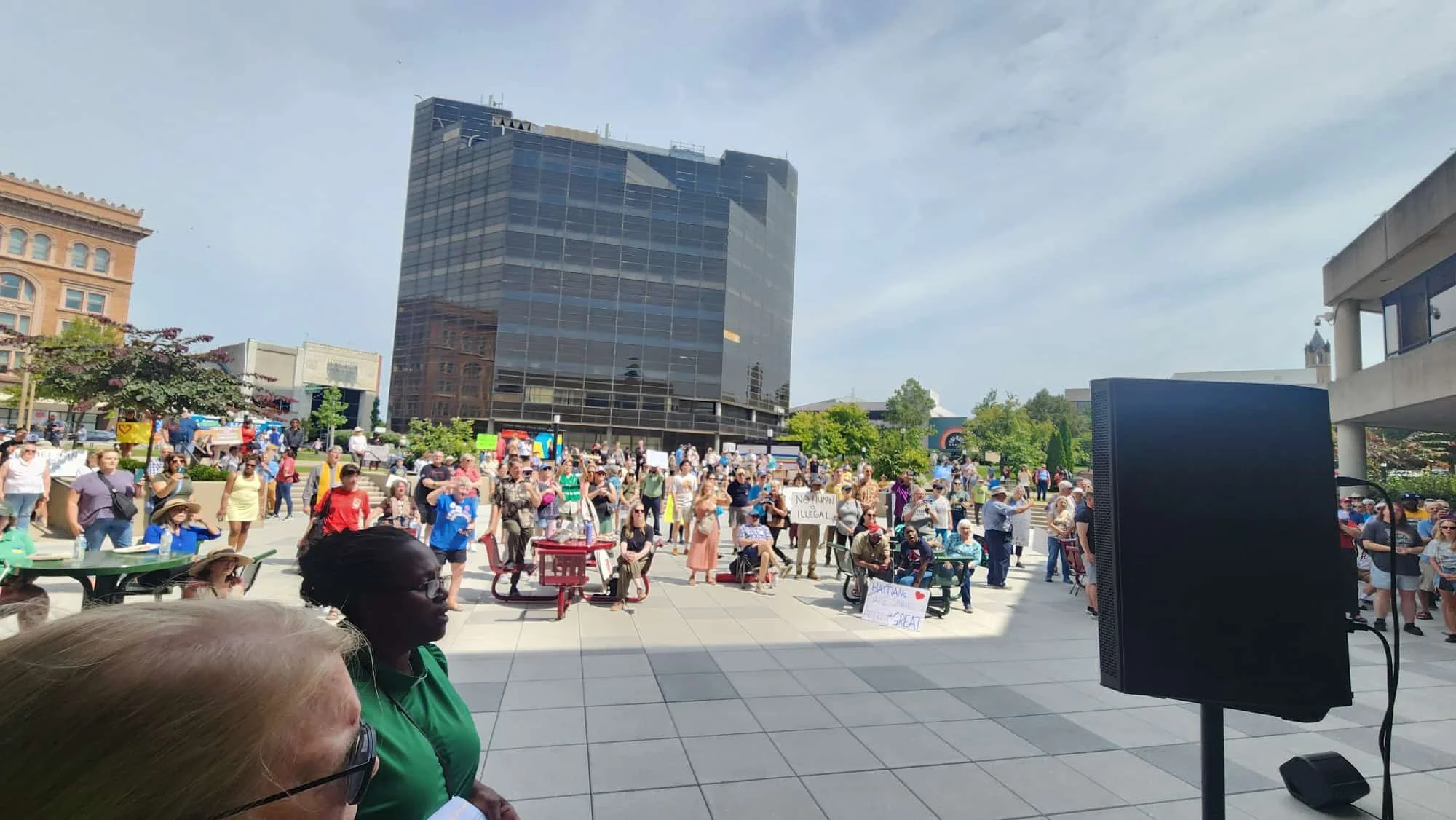
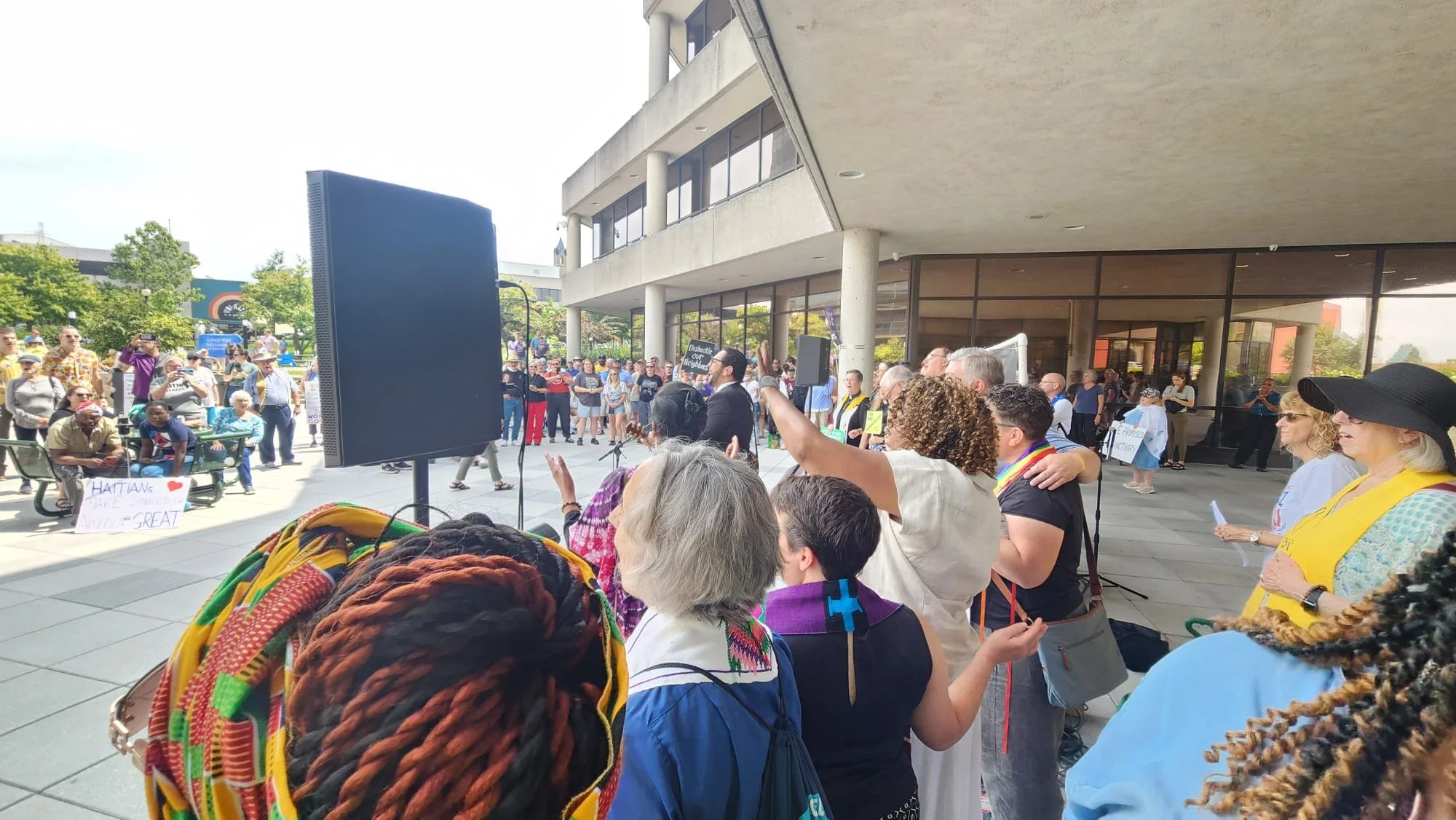
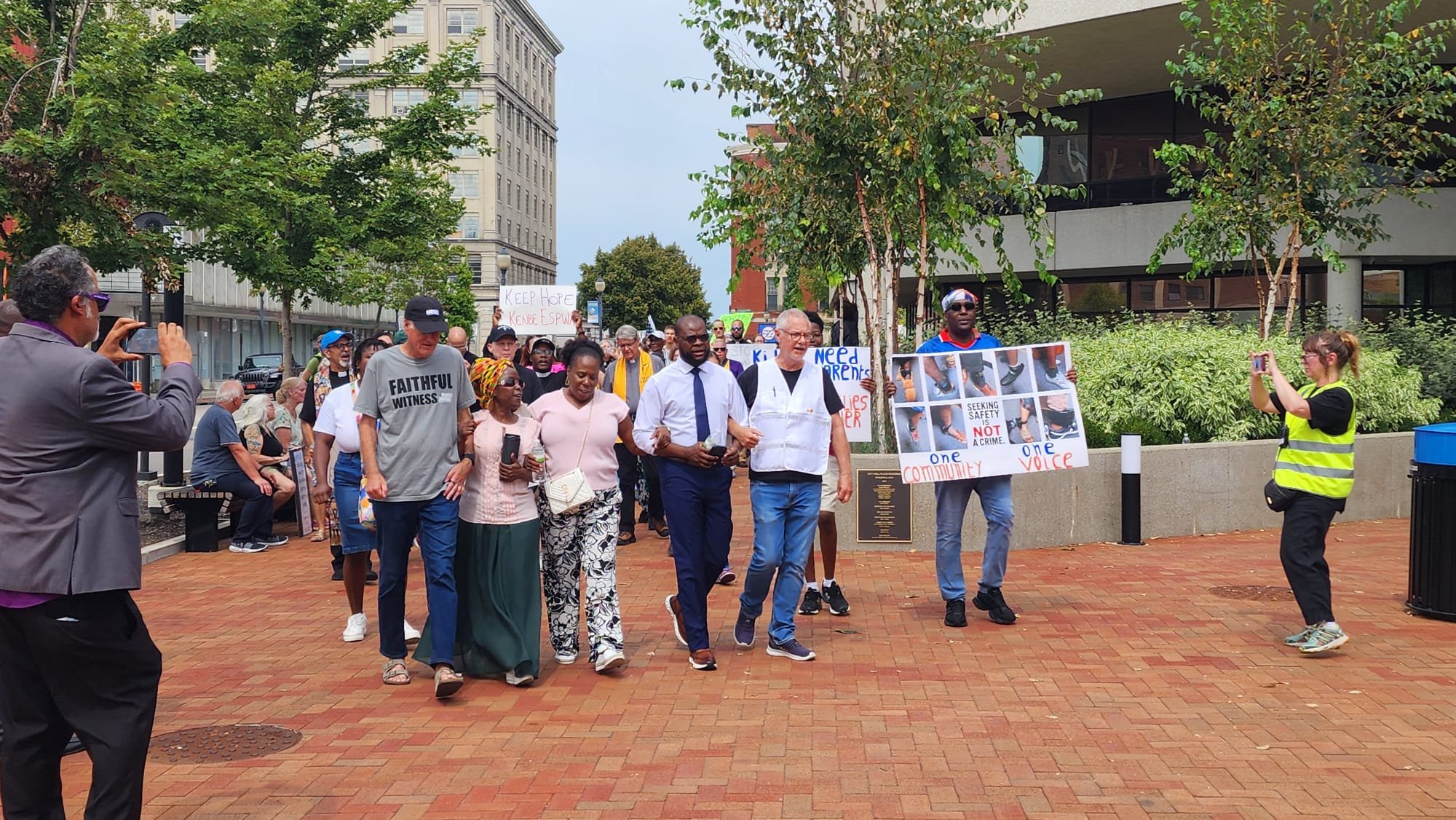
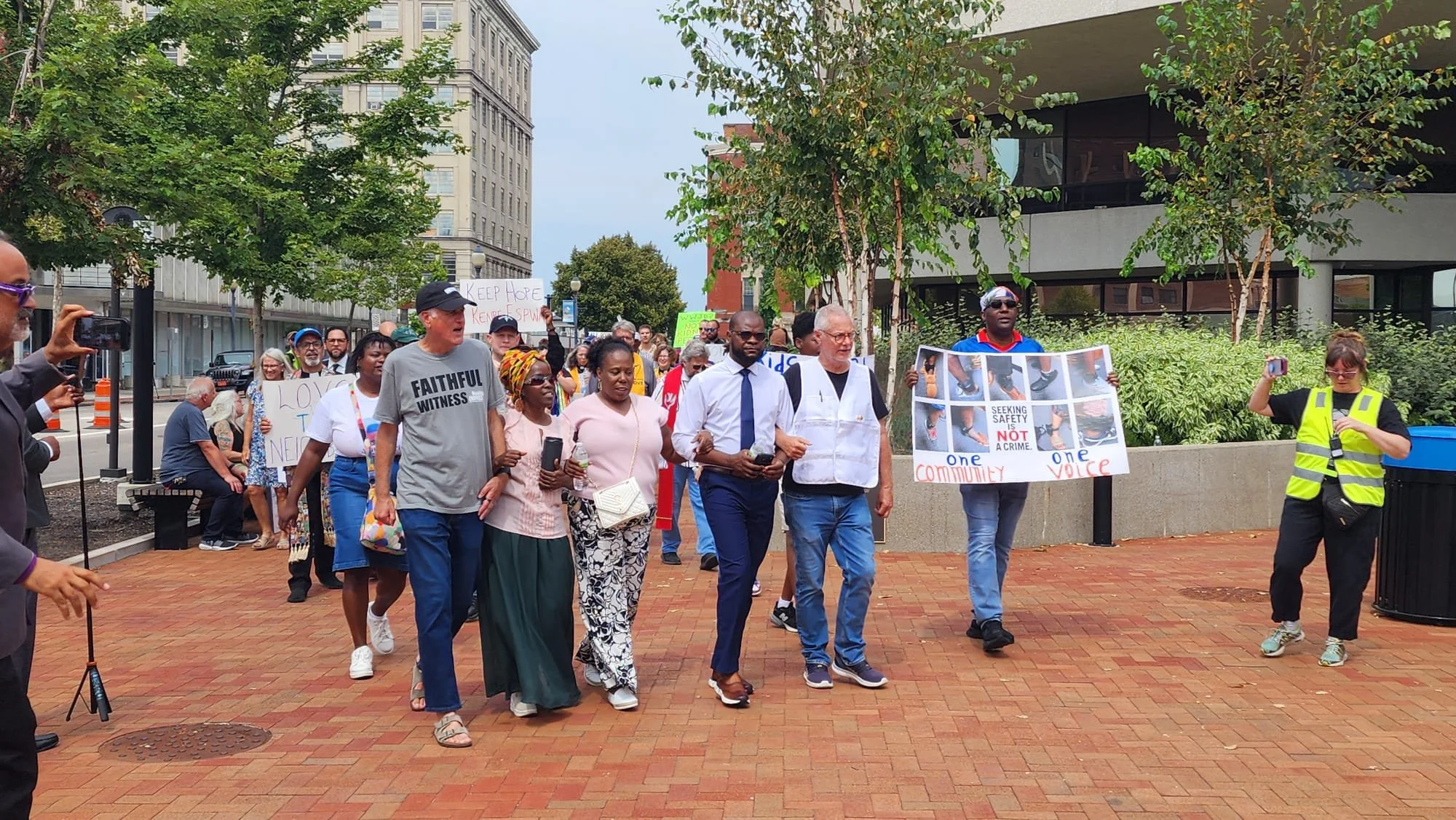
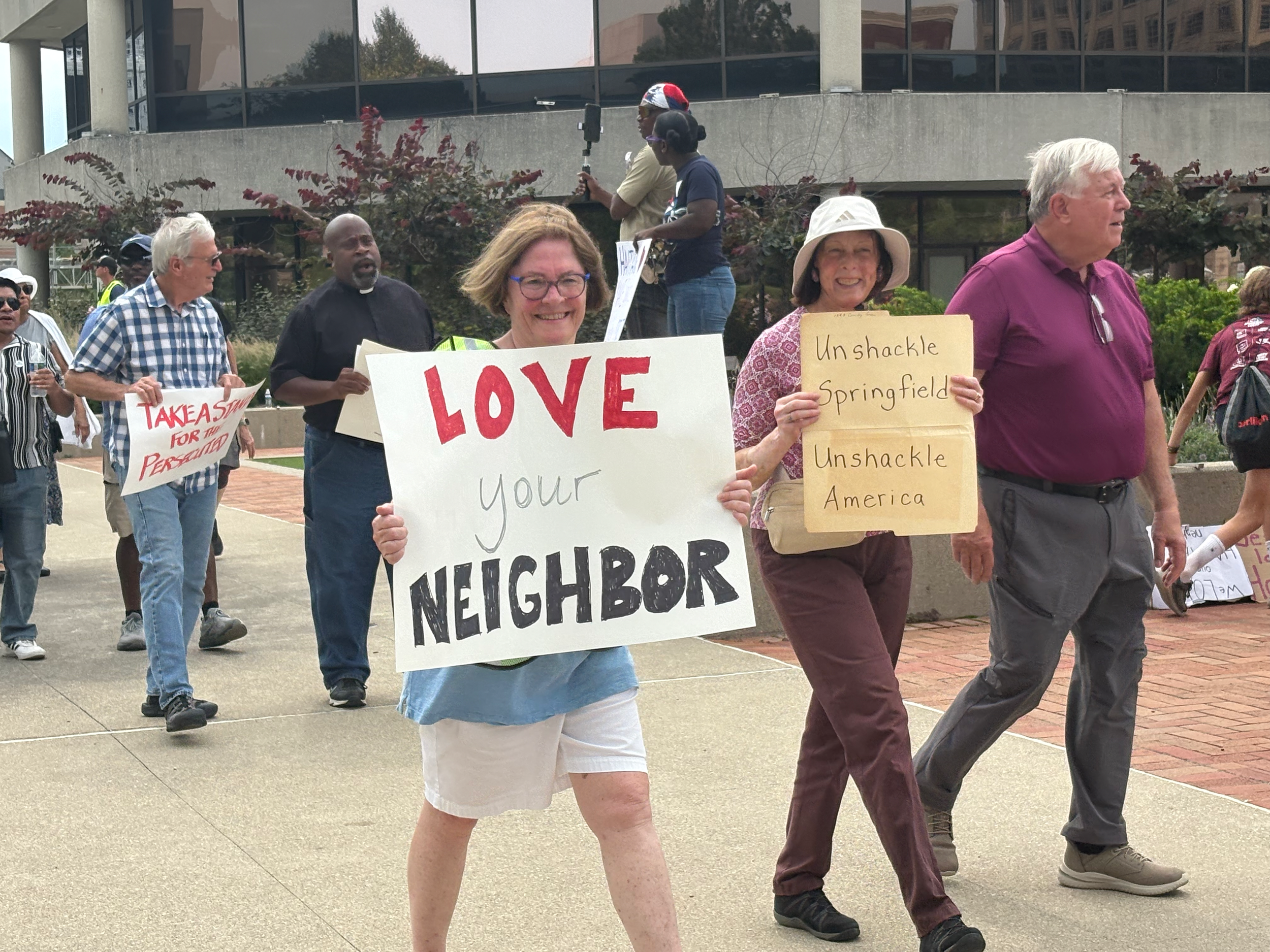
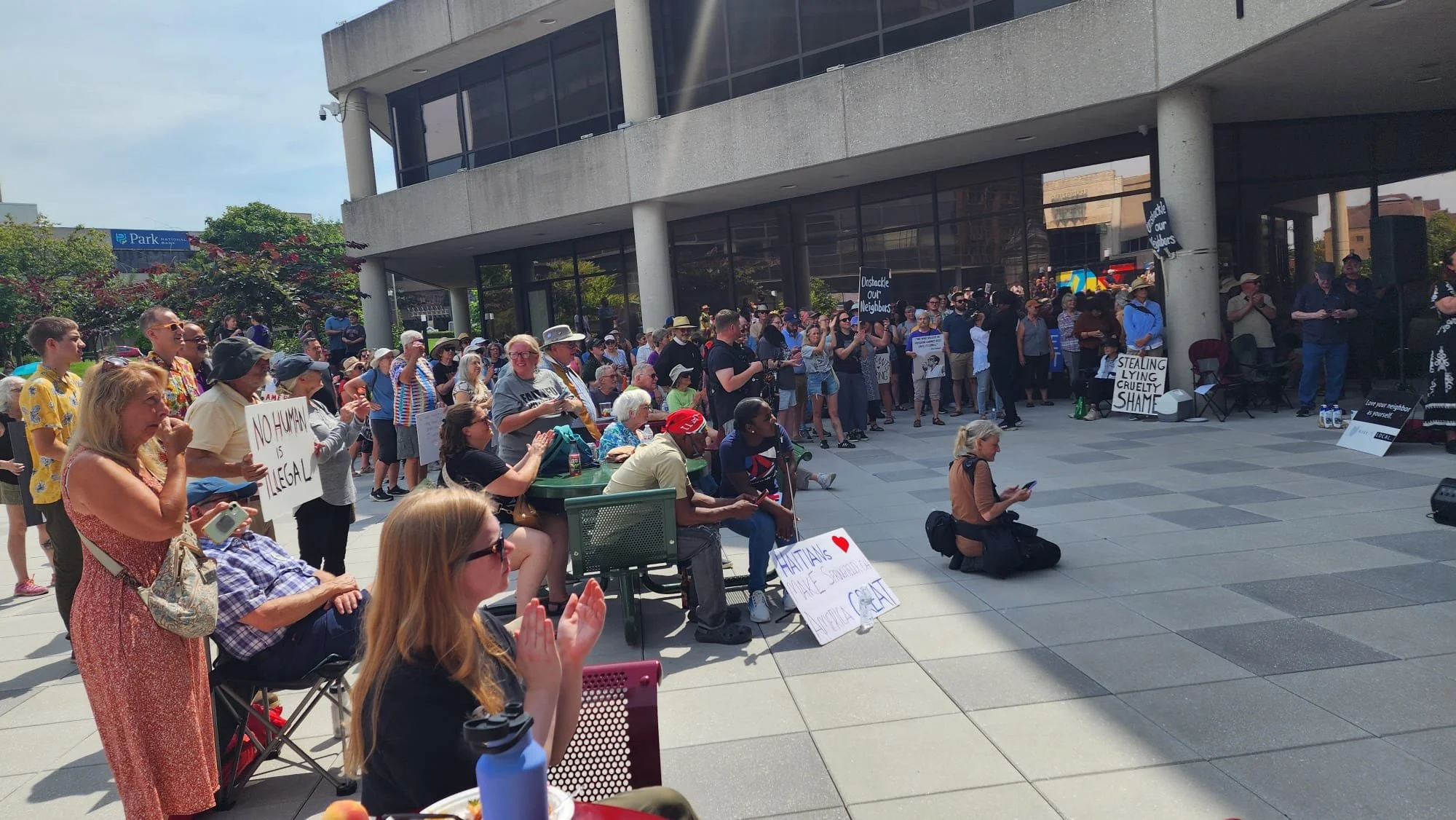
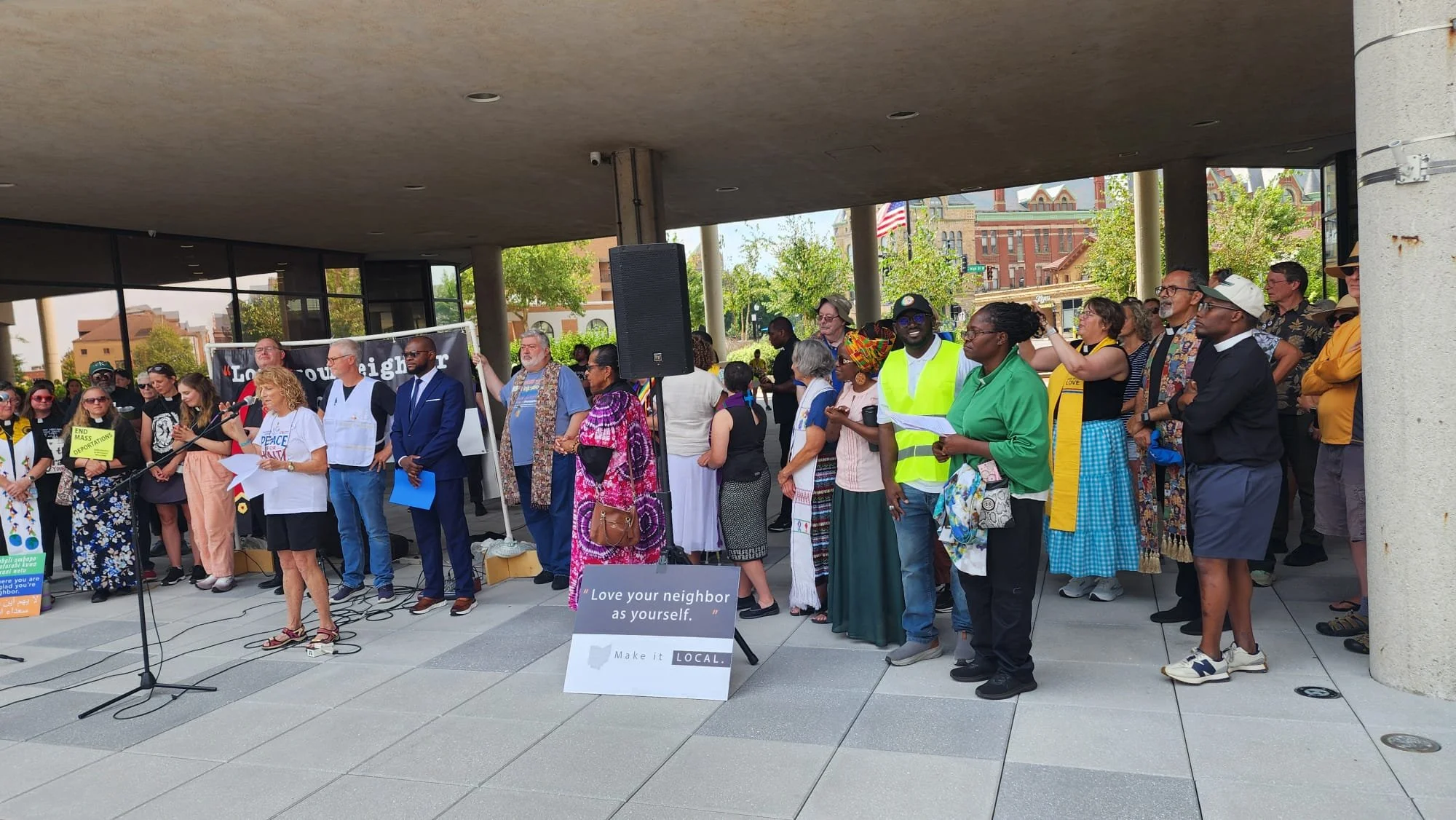
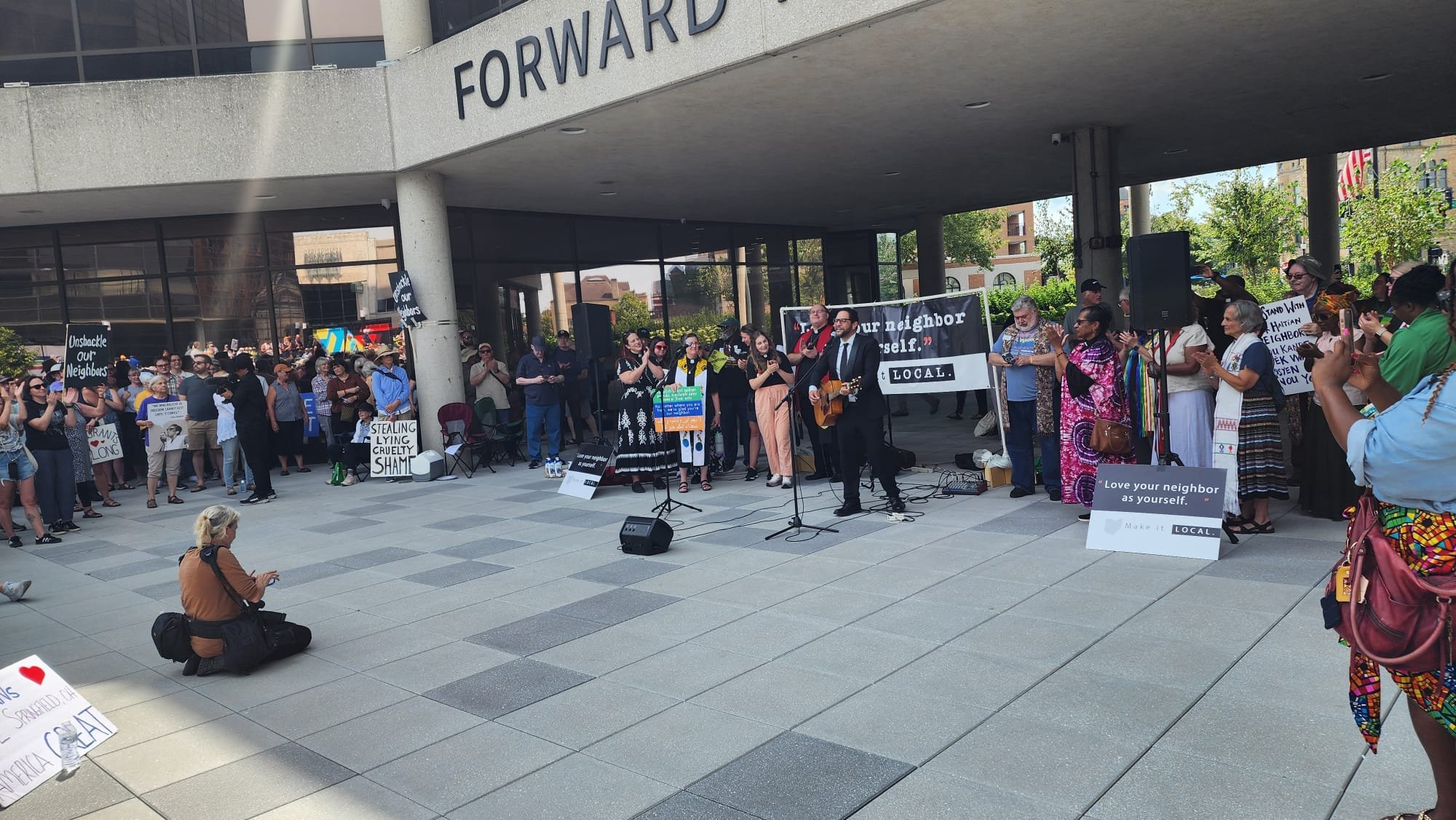
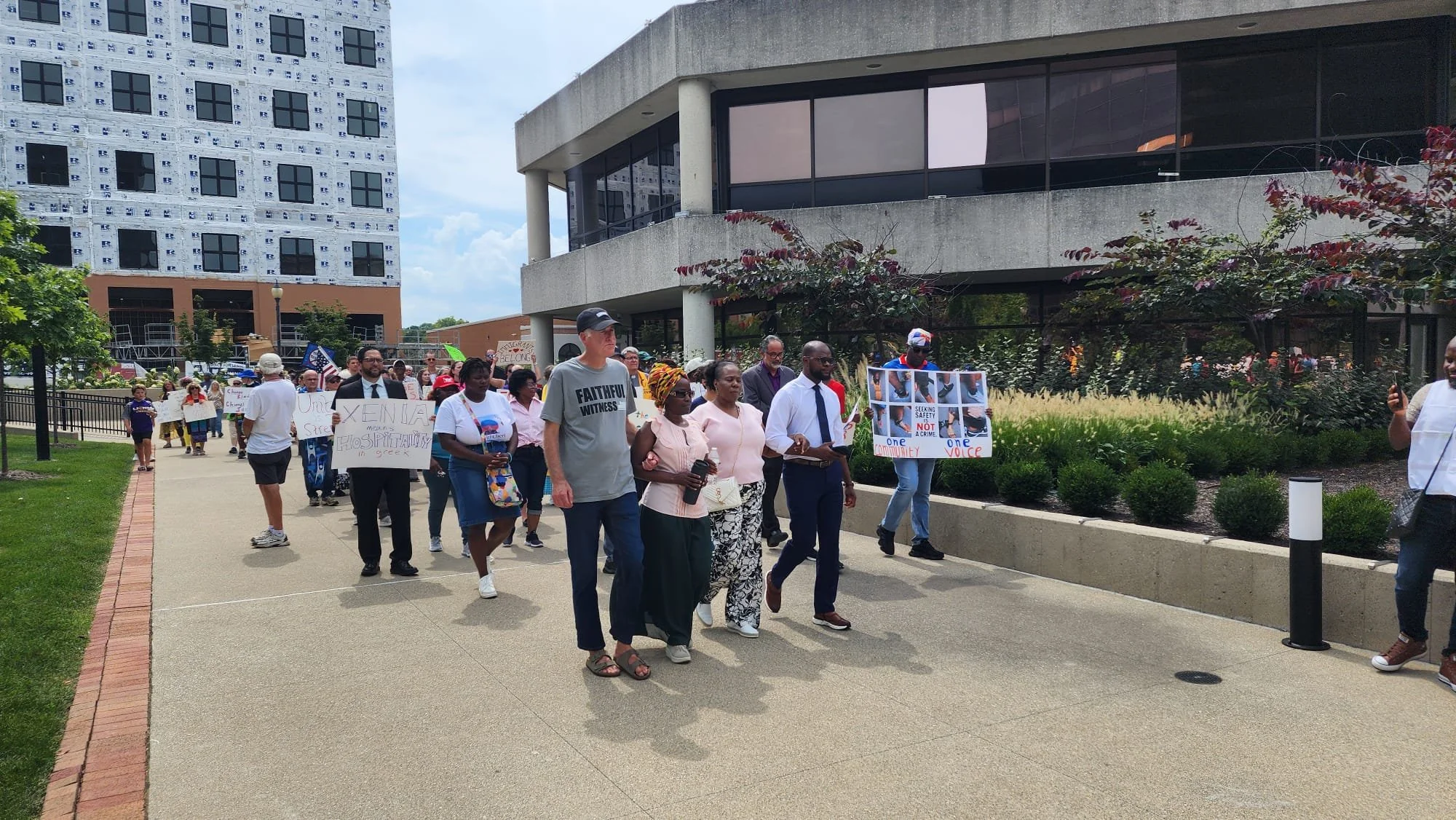
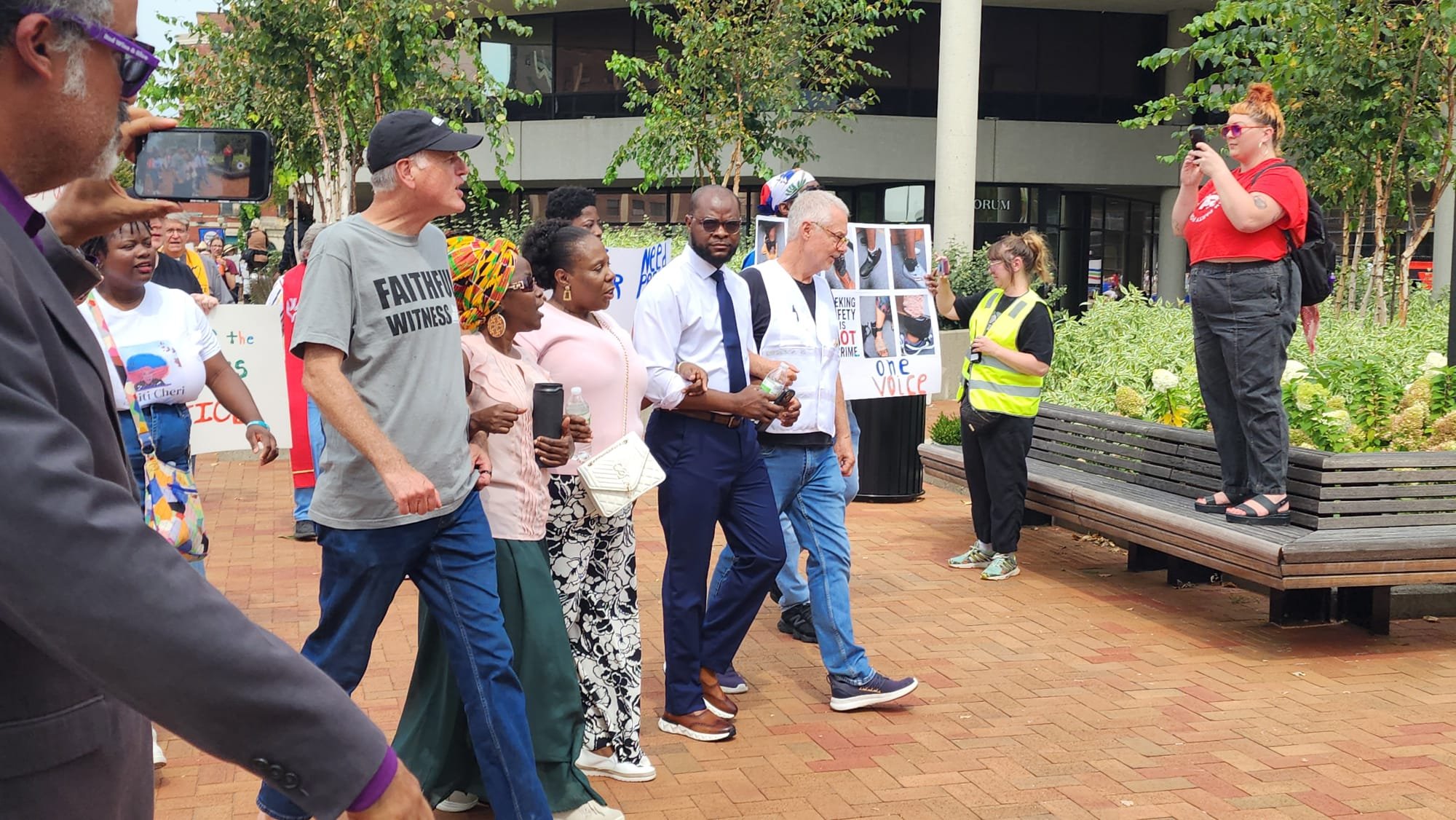
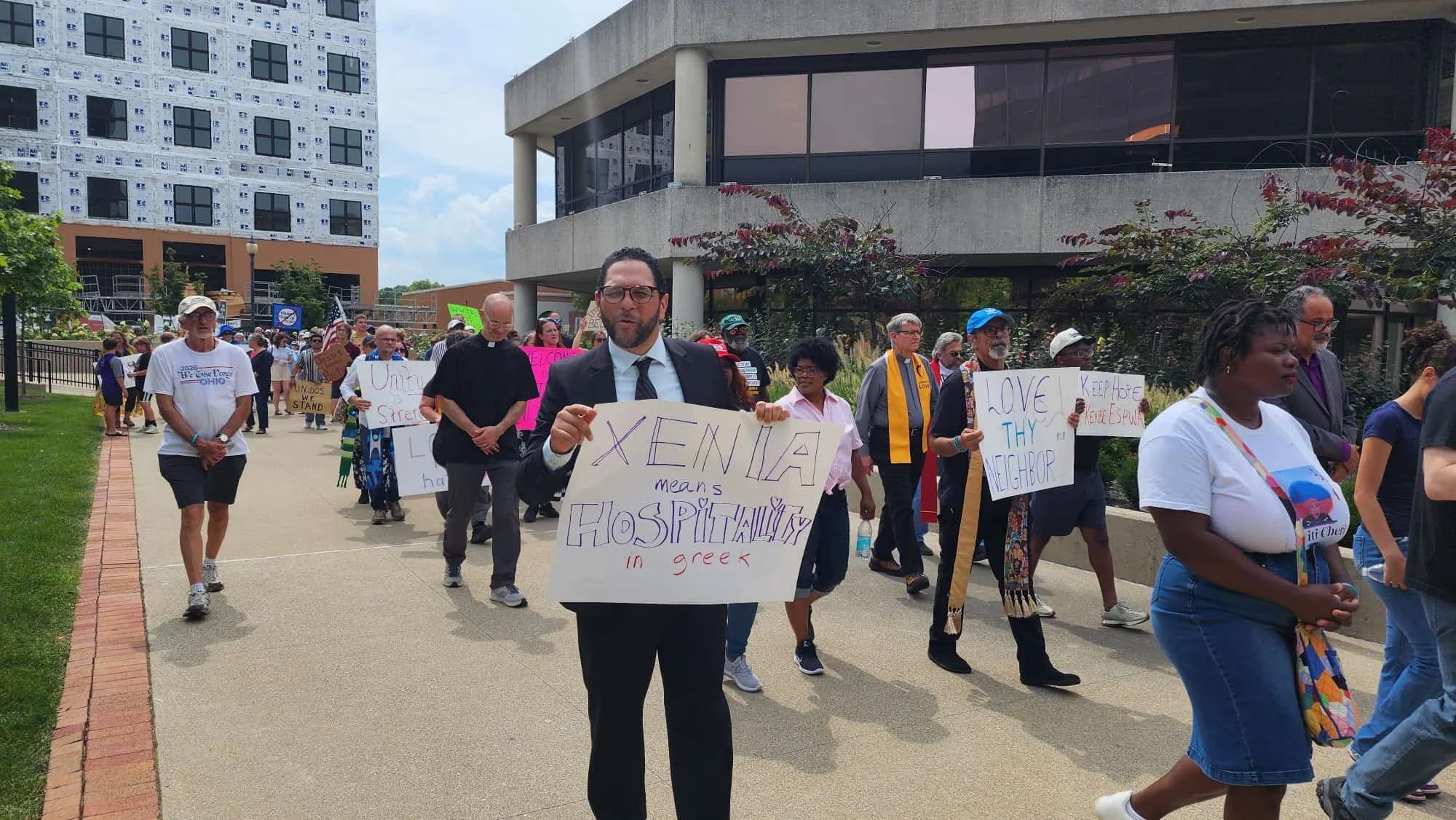
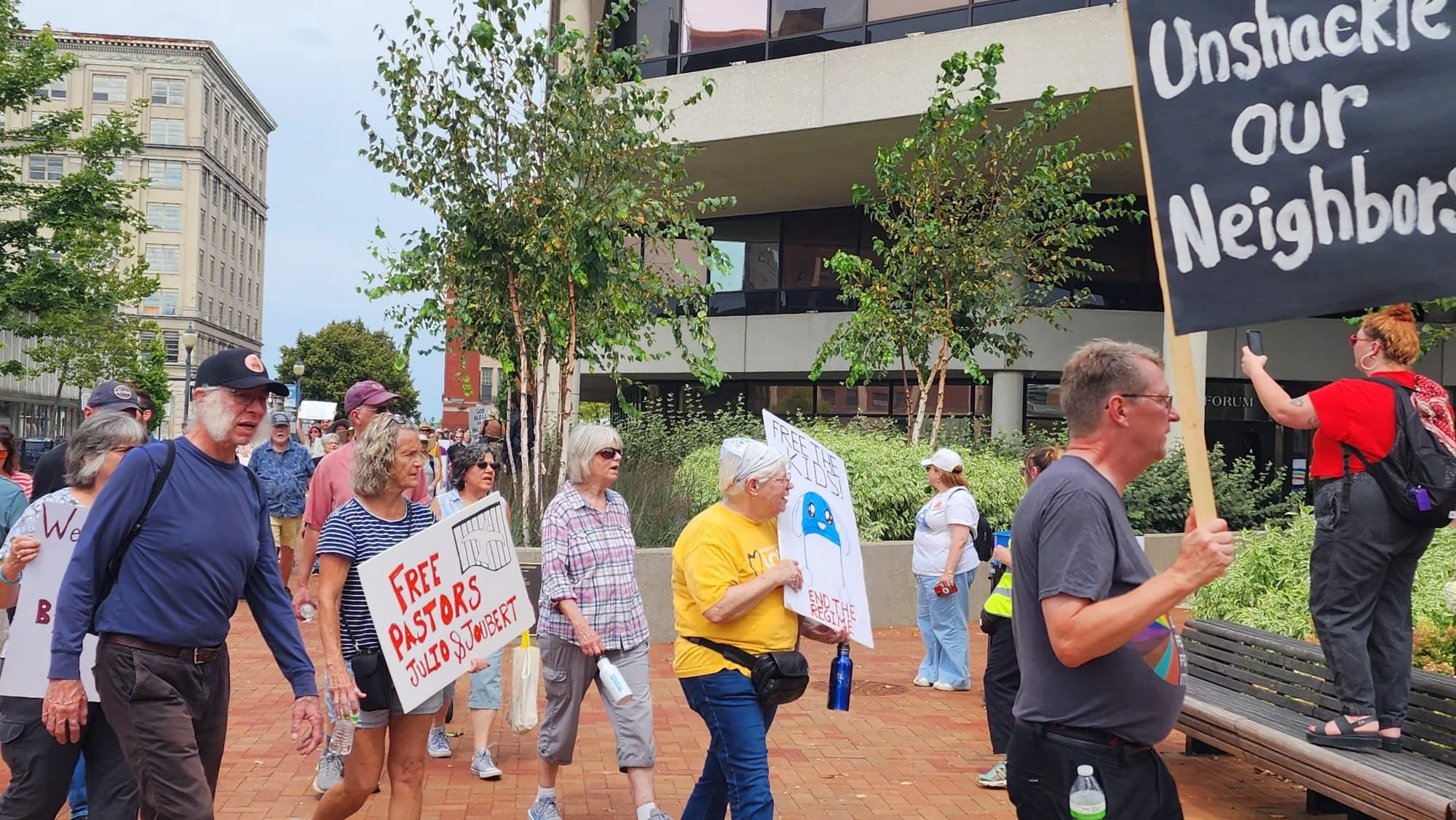
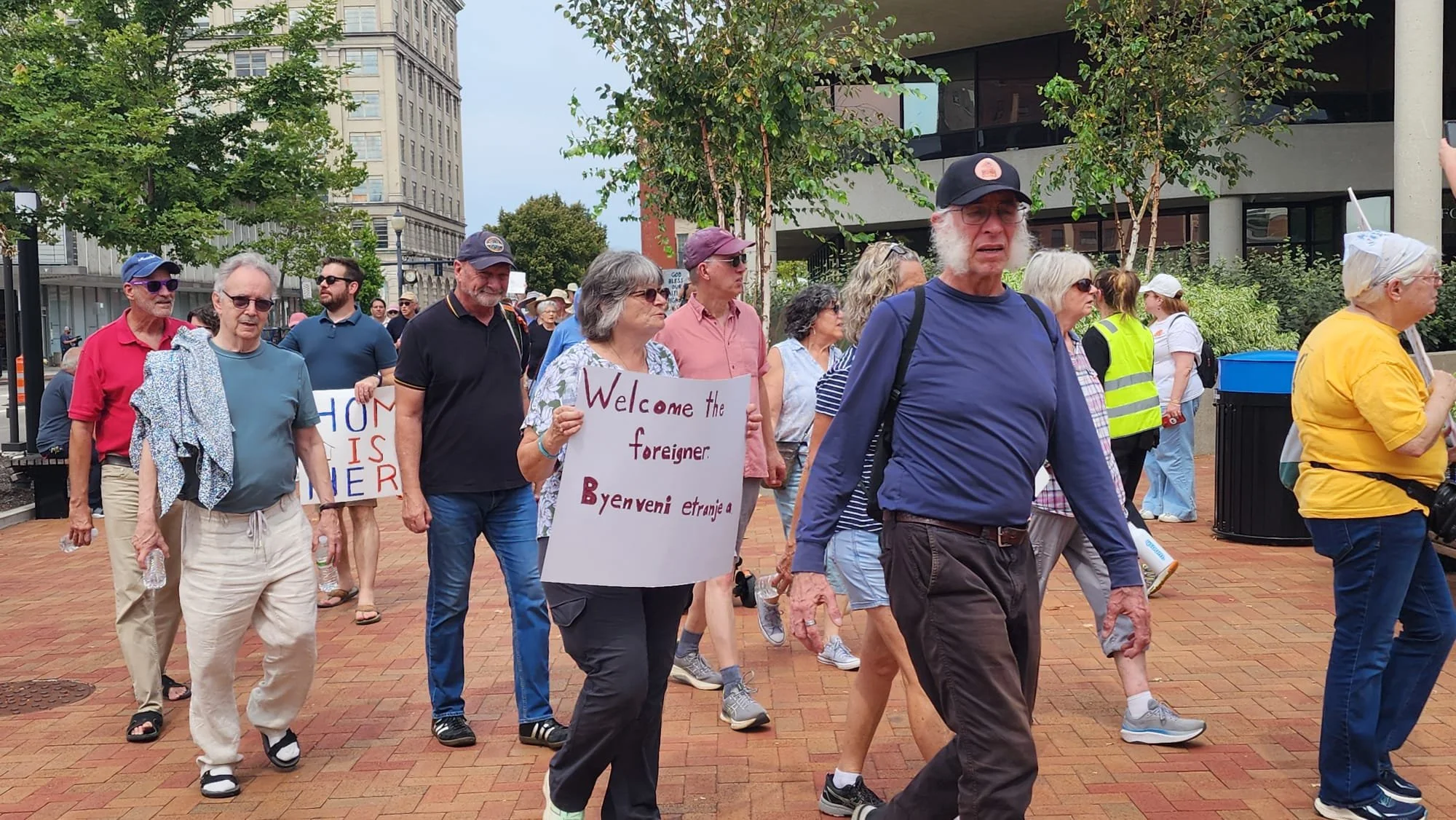
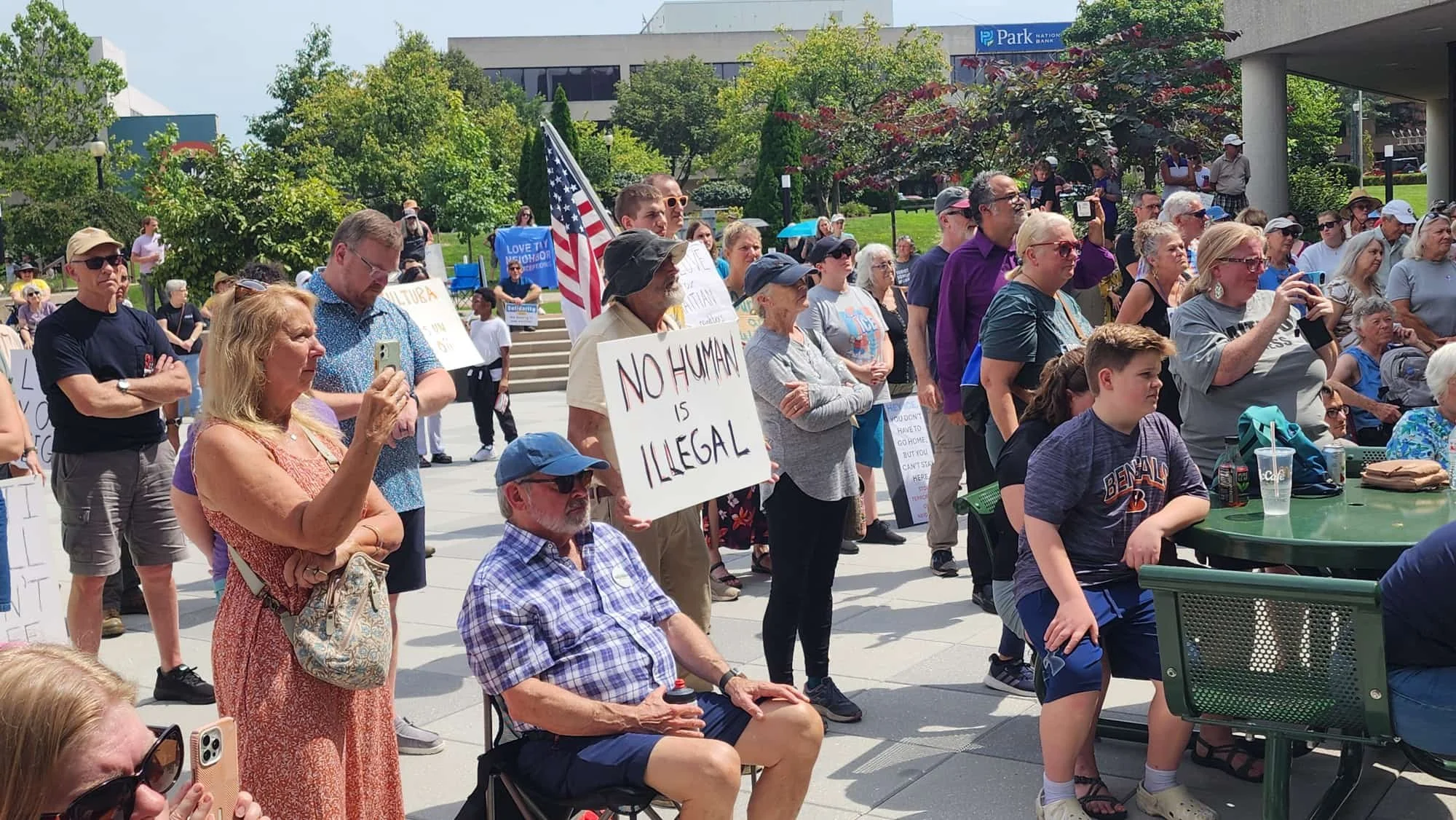
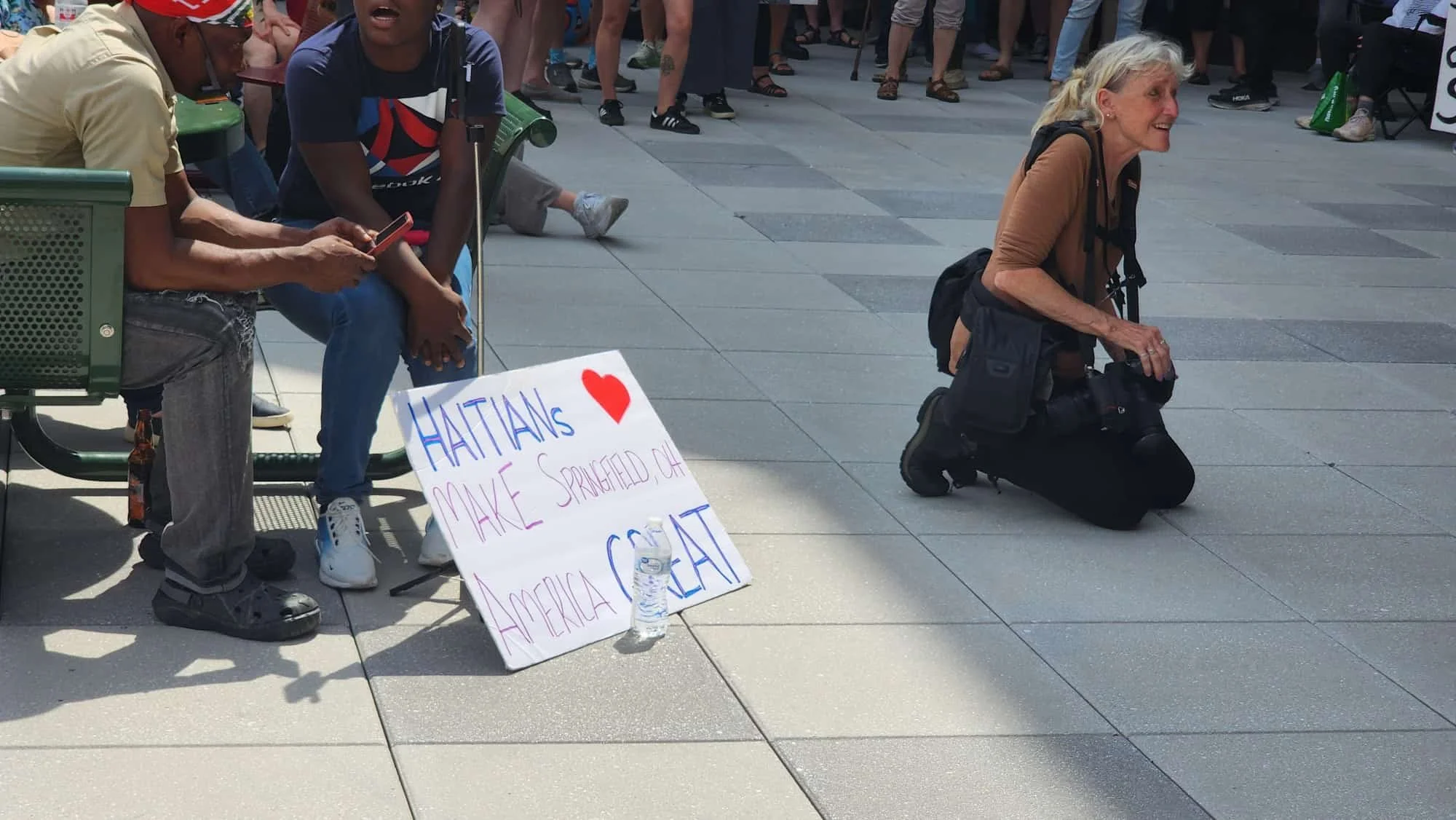
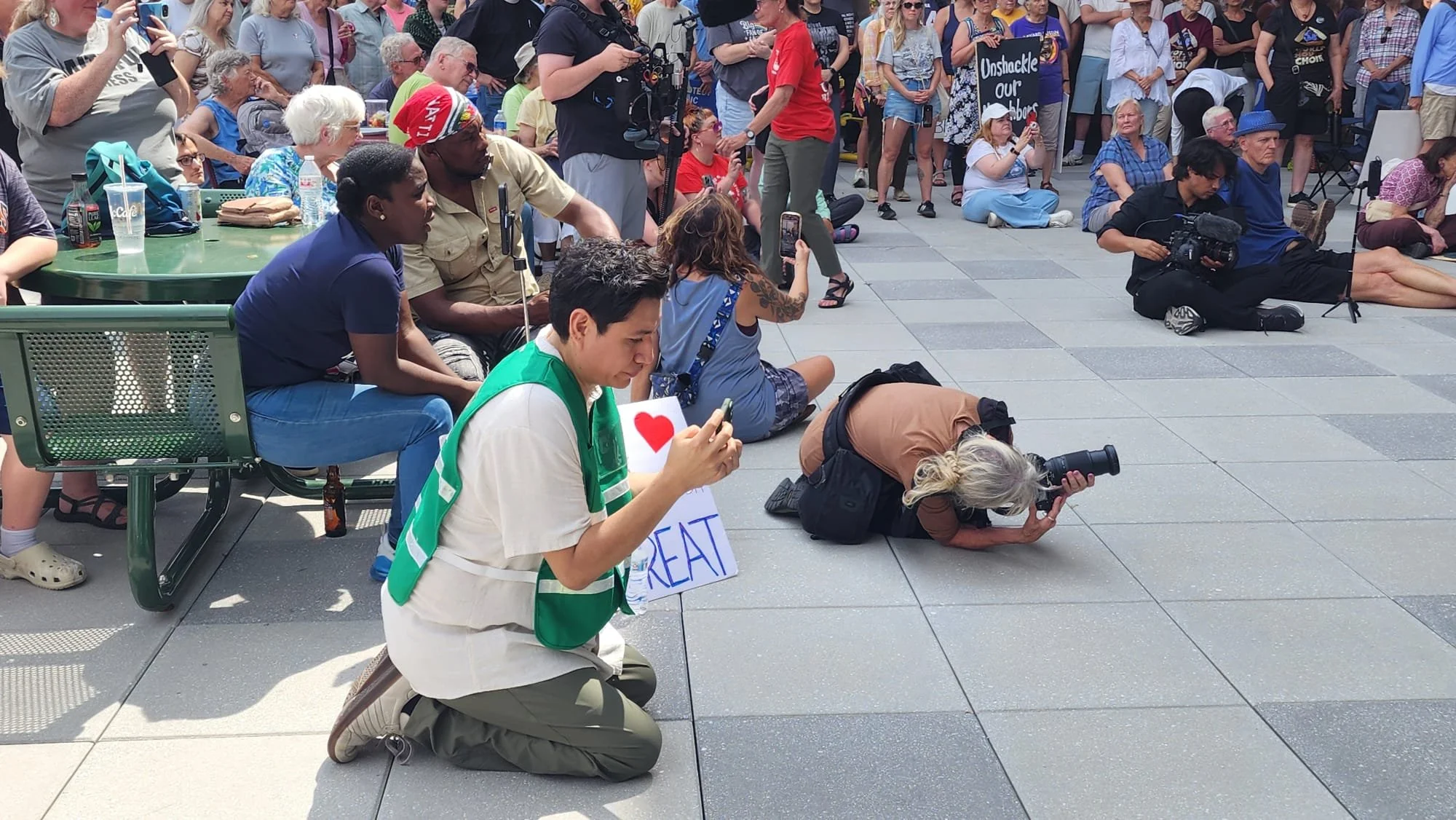
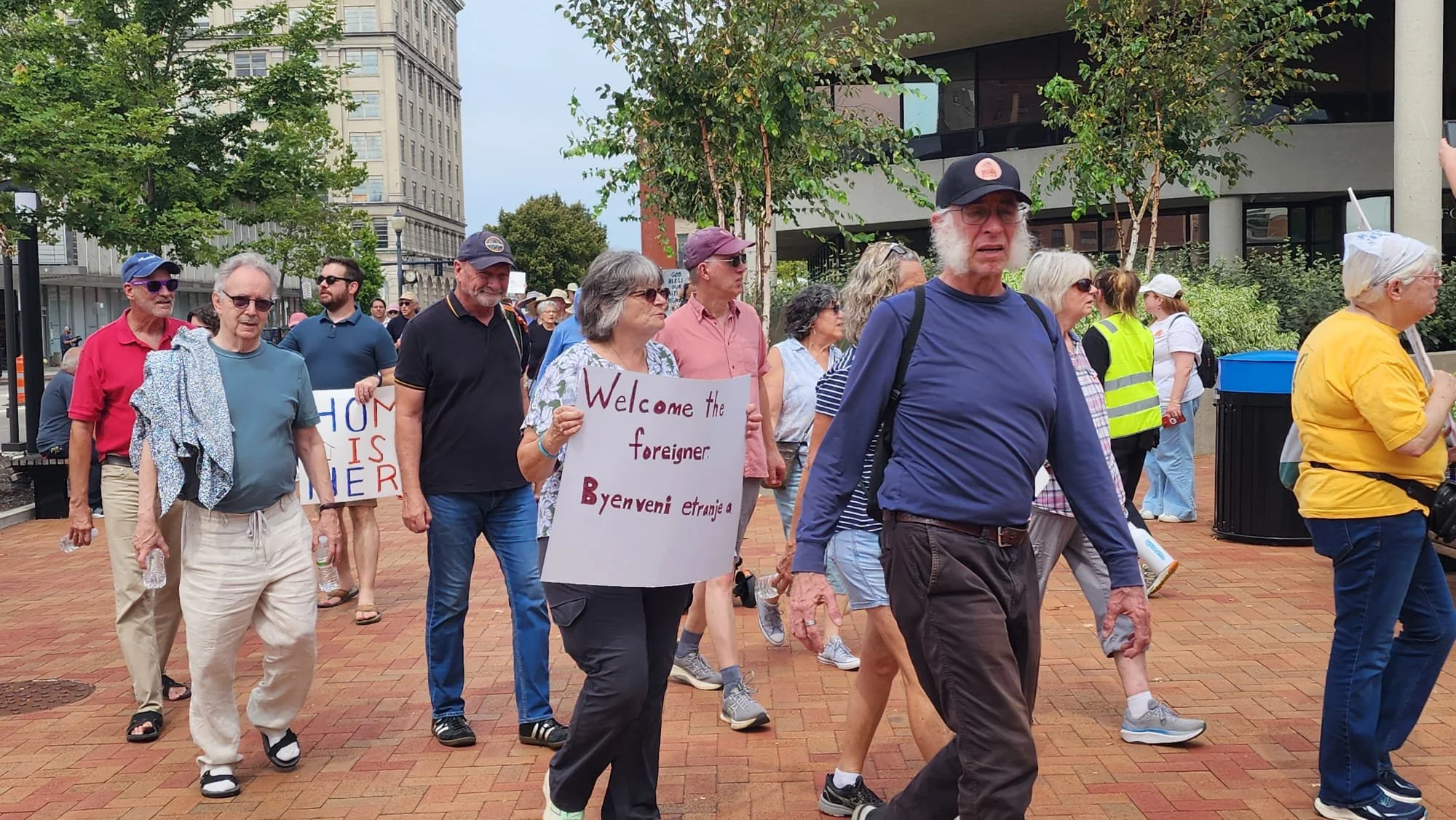
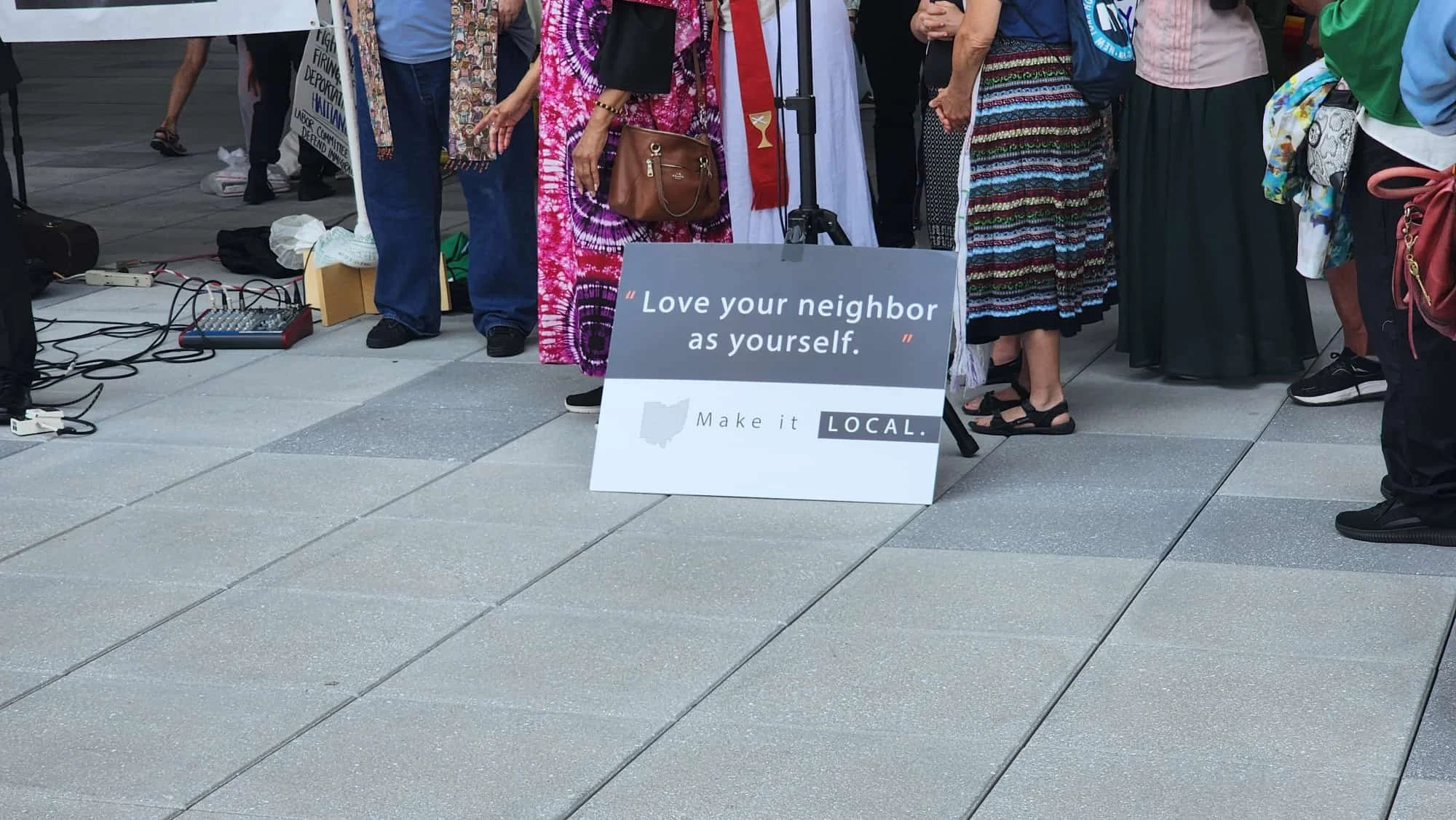
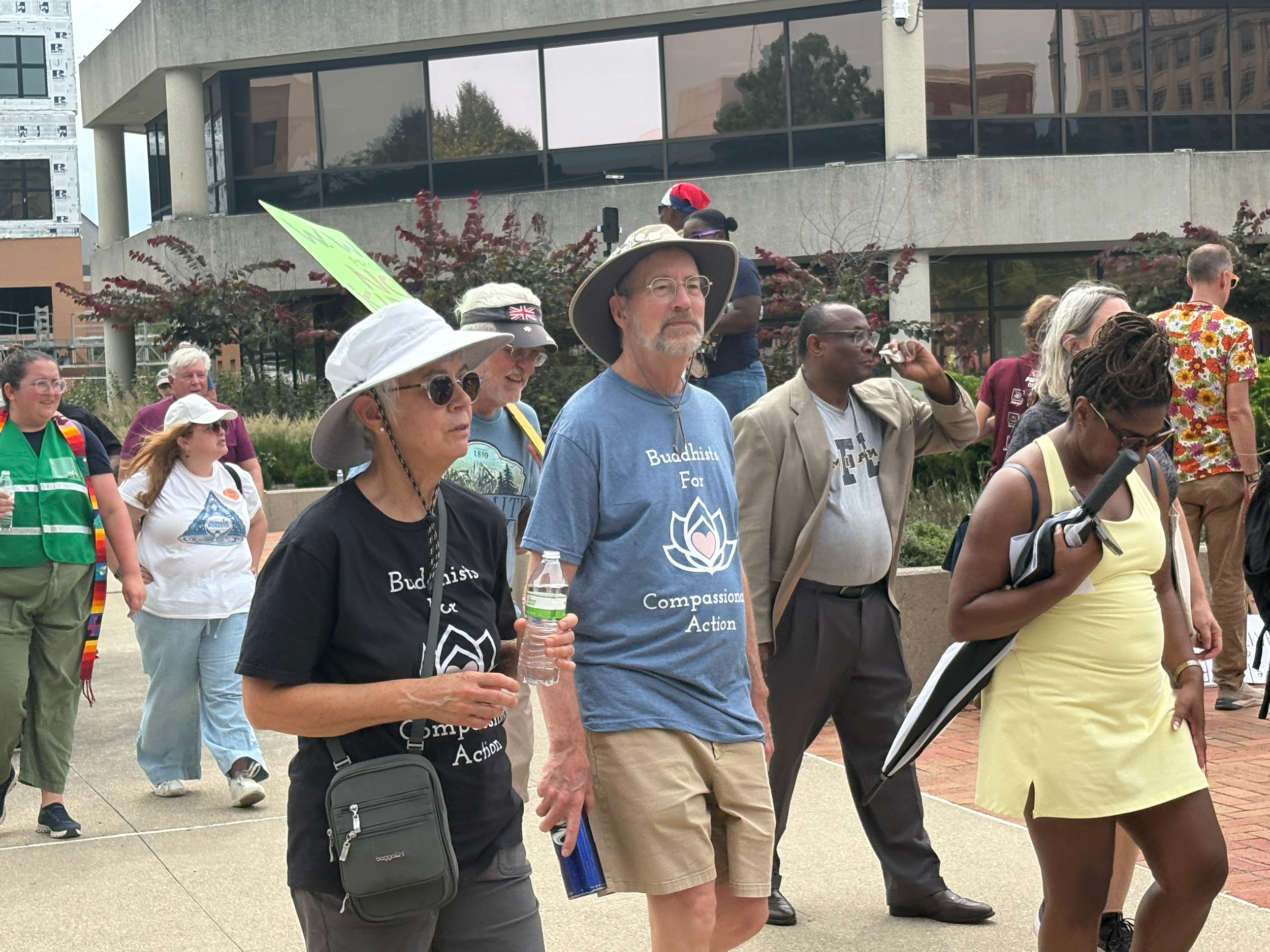
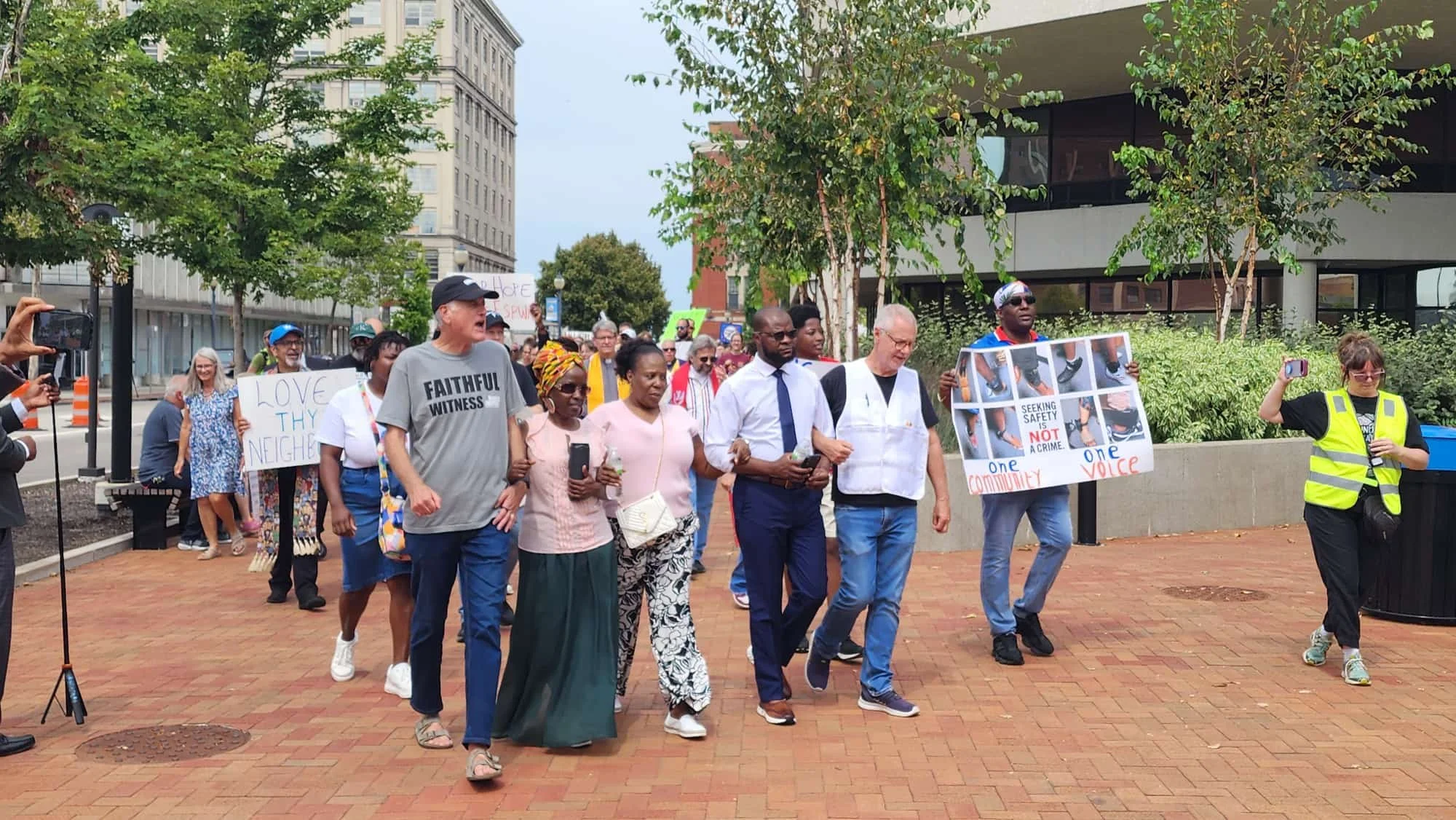
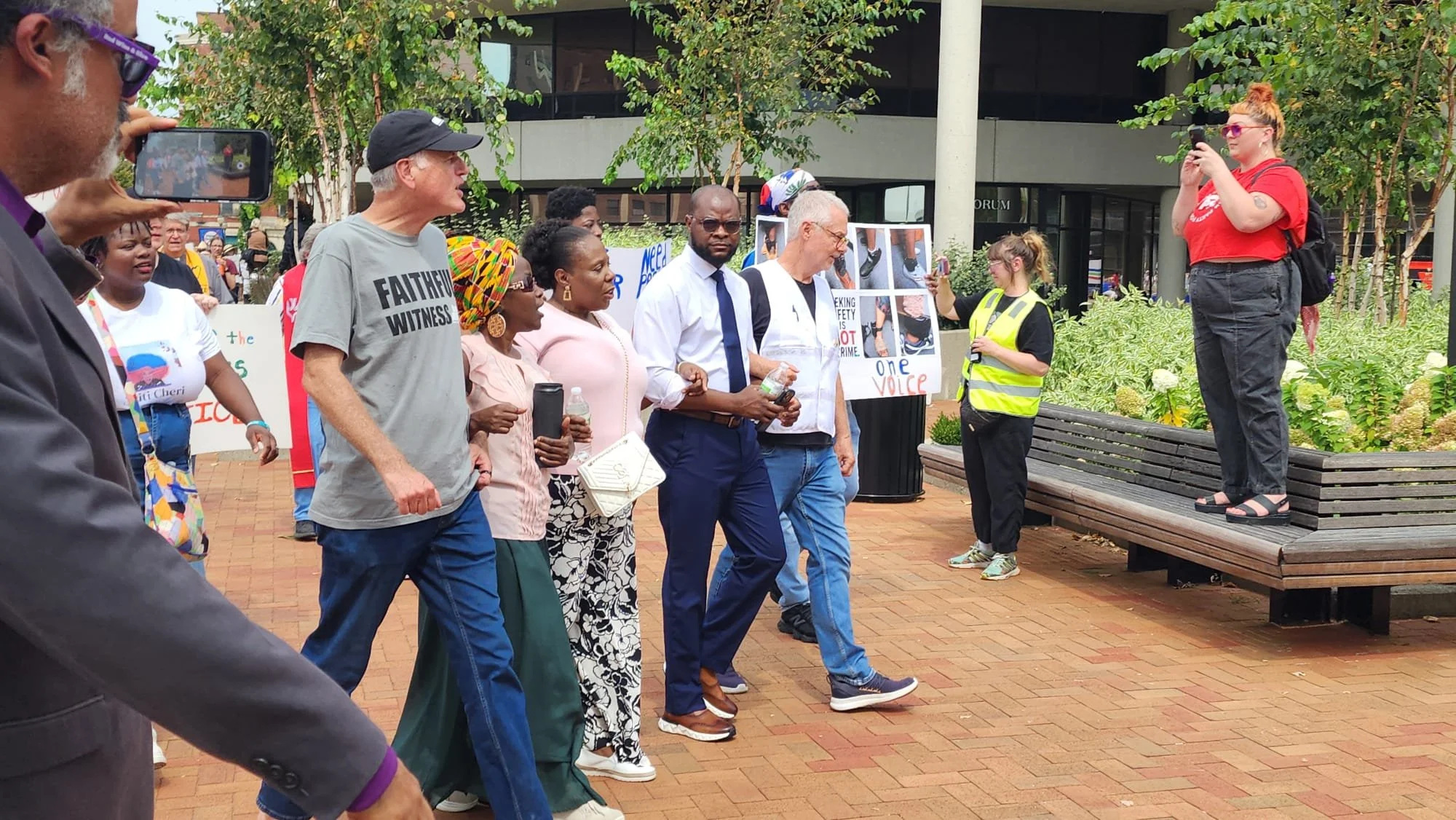
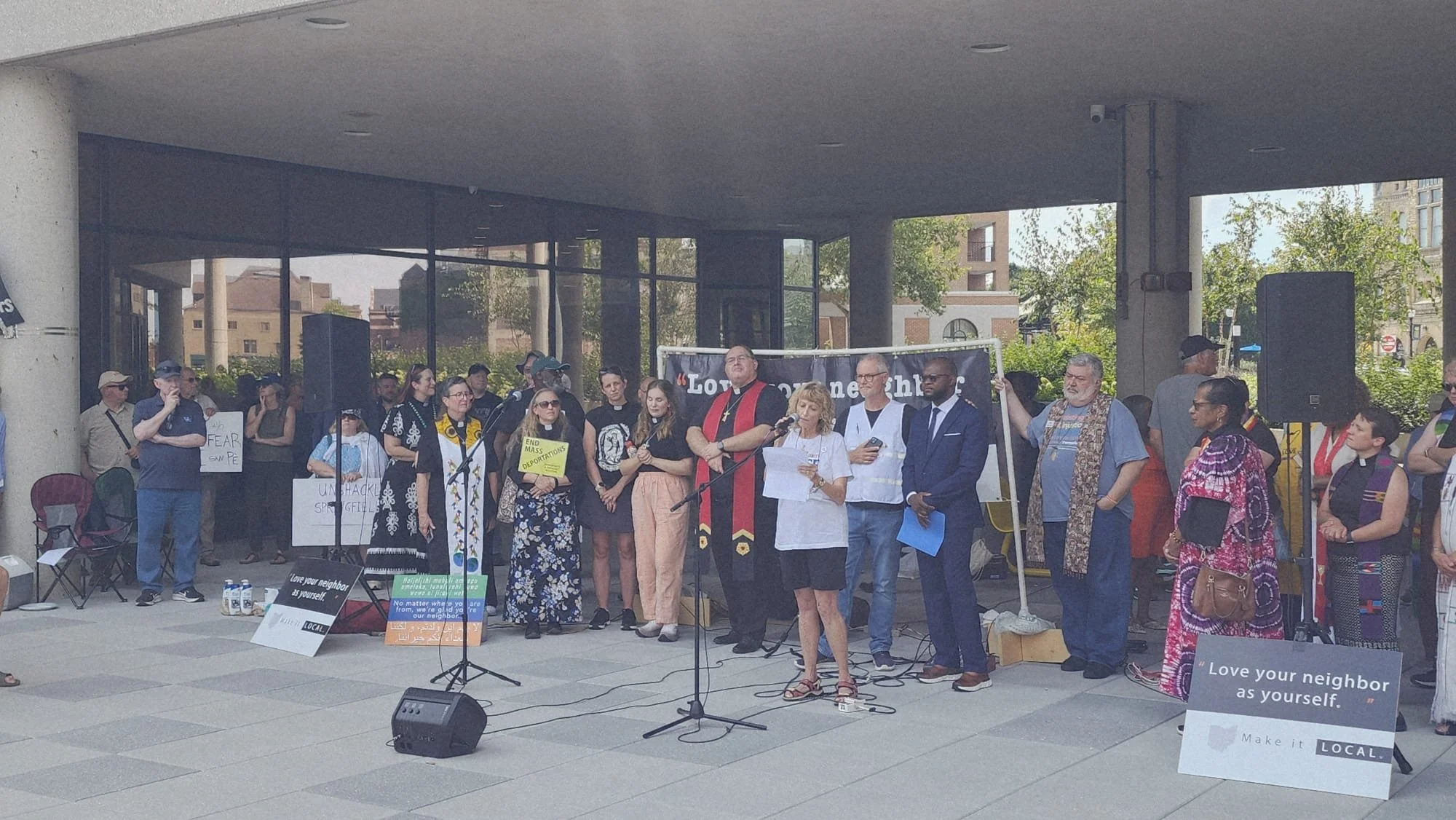
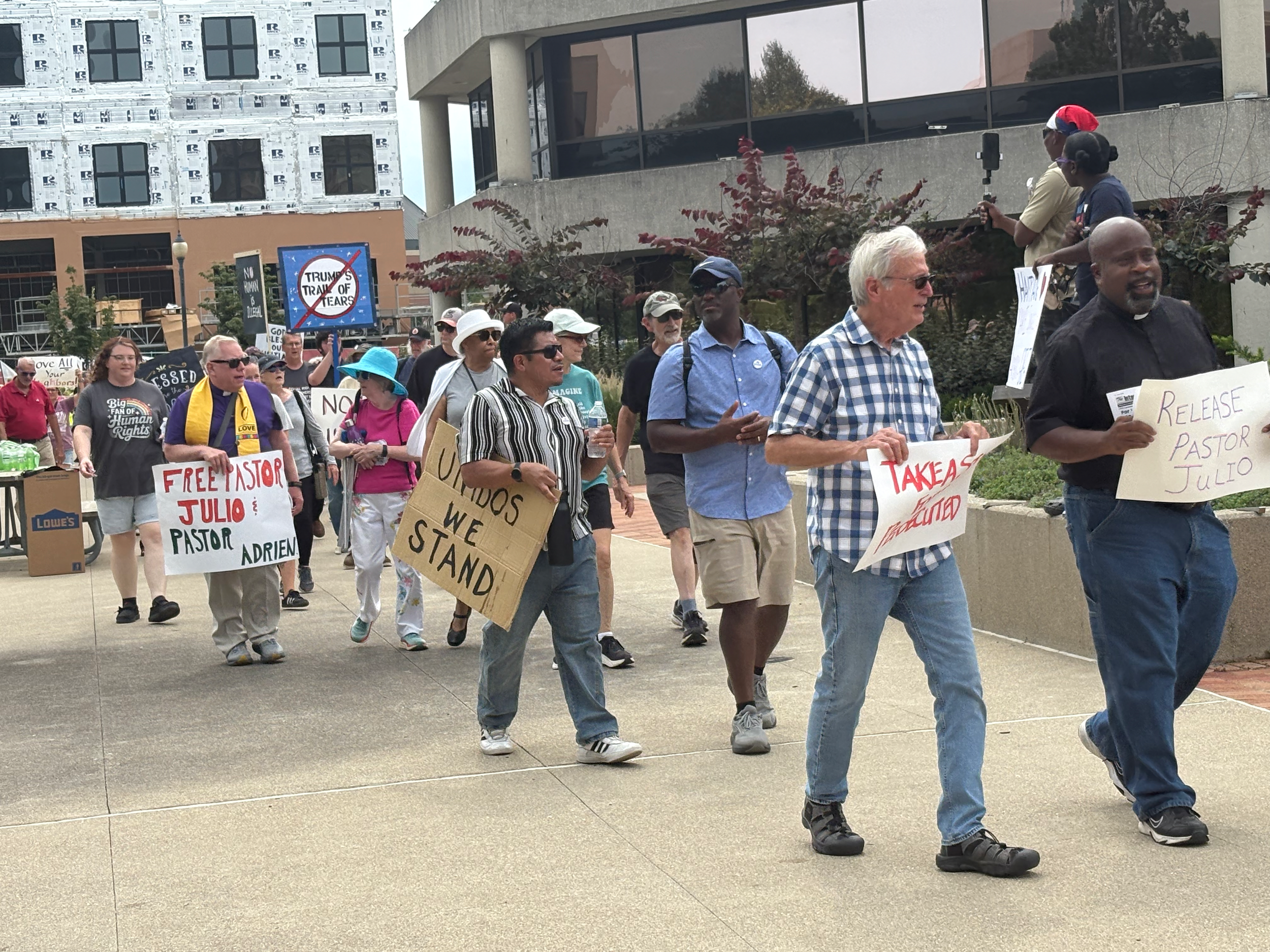
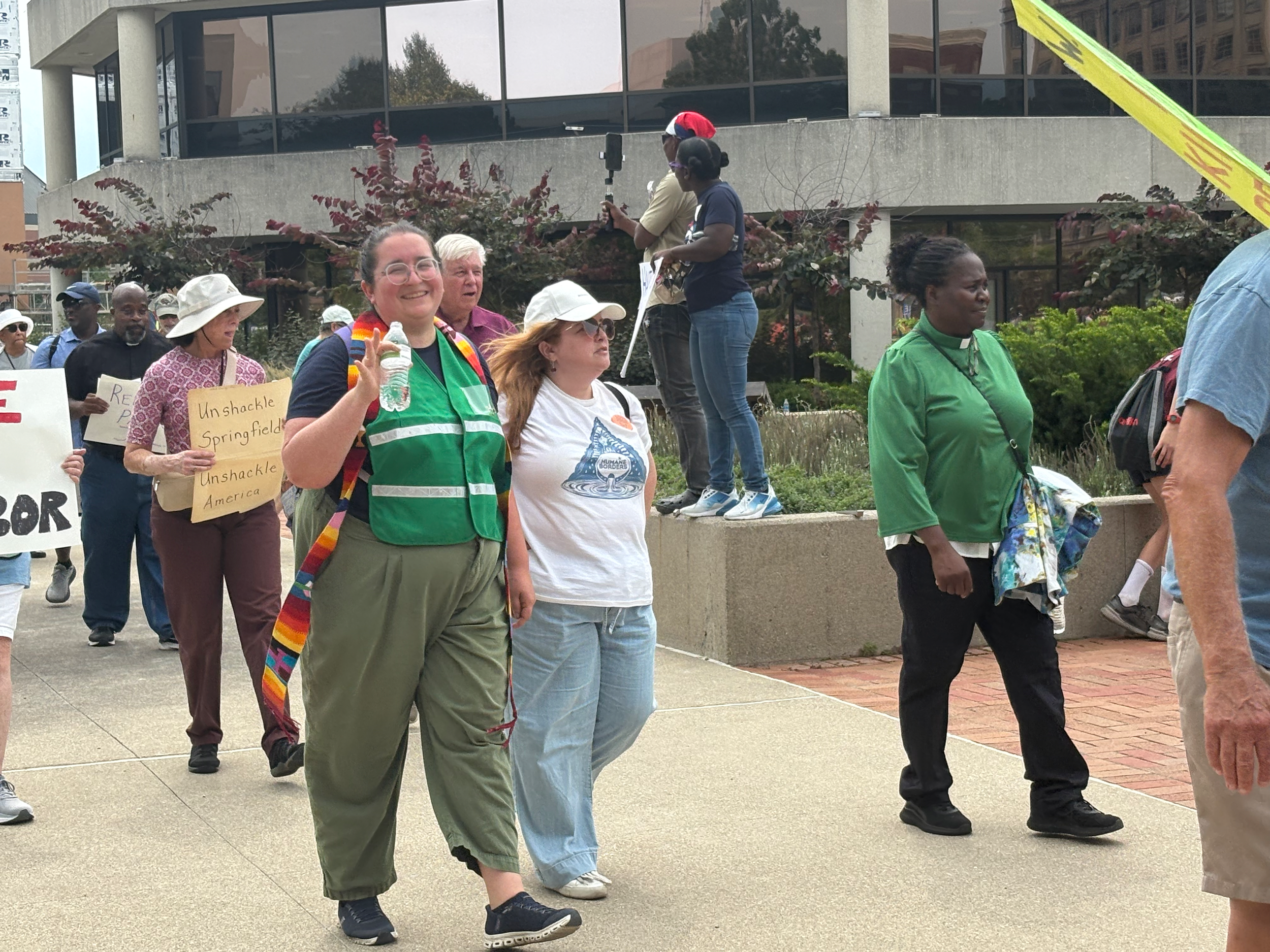
On Sunday, August 30, 2026, faith leaders, community organizers, advocates, volunteers, and Haitian residents gathered near Springfield’s city plaza under one message: “Unshackle Springfield.” The gathering called for an end to the degrading use of ankle monitors, the release of two detained Haitian pastors, and a more humane immigration system.
I was moved by the courage of Haitian community leaders, including Viles Dorsainvil of the Haitian Support Center, and by advocates including Lynn Tramonte, Executive Director of the Ohio Immigrant Alliance. They walked together and stood together even as the community faced surveillance, arrests, and uncertainty. Their presence communicated something powerful: fear will not have the last word.
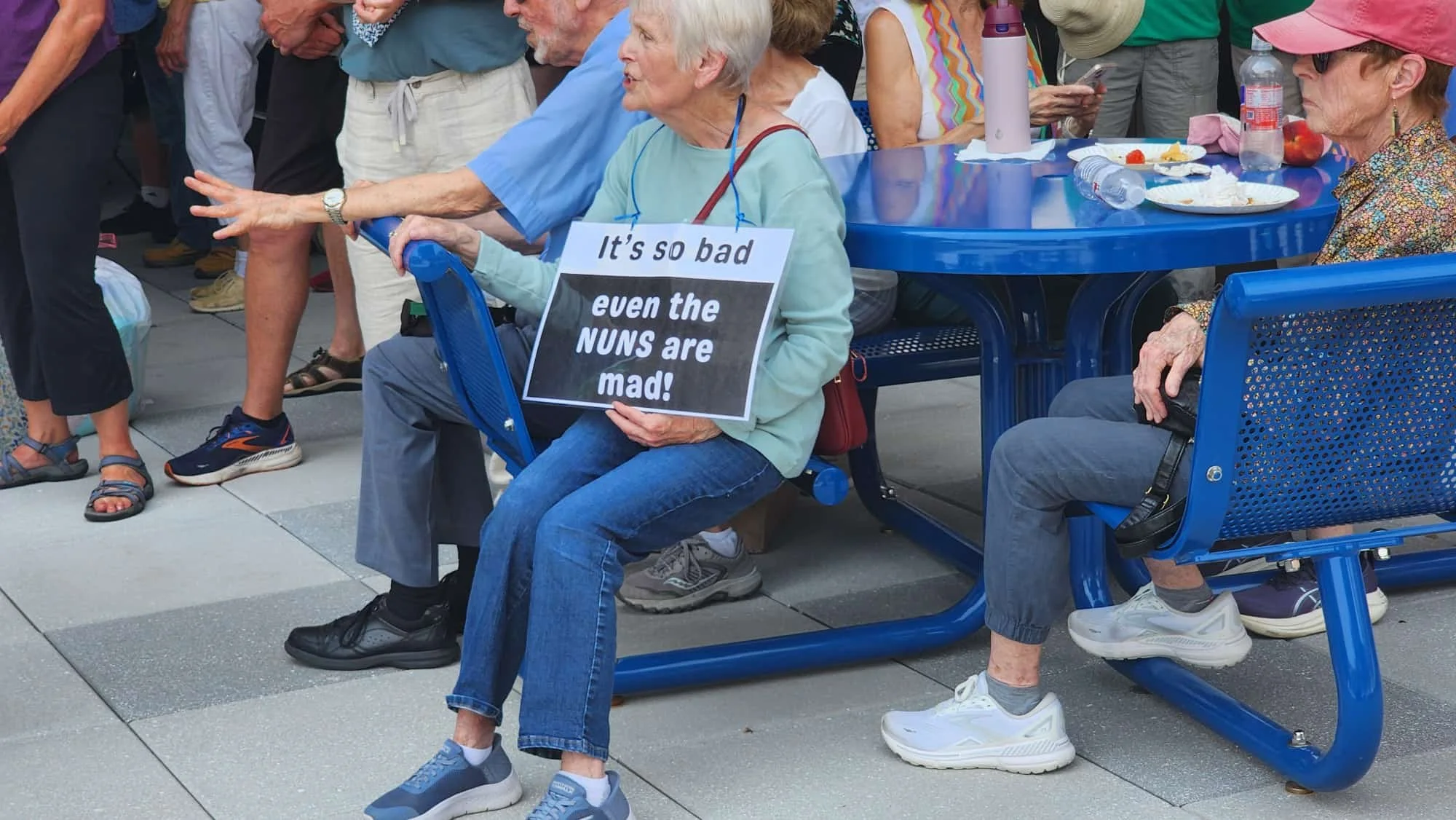
The solidarity of Springfield’s faith community was equally inspiring. People came from different churches, denominations, and religious traditions. Some bought food from the Haitian Community Help and Support Center, supporting the community while sharing a meal. Others came simply to say, “We want you here.” An older woman even offered to volunteer as a security presence. These acts may appear small, but together they revealed another face of America: an America of compassion, welcome, courage, and shared responsibility.
What Haitian Resilience Teaches Us
The Haitian community’s resilience should inspire other immigrants across Ohio and beyond. Resilience does not mean that suffering is acceptable or that people should be left to endure it alone. It means that, even under enormous pressure, people continue to organize, worship, work, care for their children, help their neighbors, and demand dignity.
Springfield also showed that solidarity must be practical. It is not enough to express sympathy. Solidarity means helping someone understand a form, interpreting their words accurately, bringing food, accompanying a neighbor, contacting decision-makers, supporting local Haitian organizations, and standing publicly against policies that dehumanize people.
Recommendations
UNSHACKLE SPRINGFIELD. Shackles are simply not needed to produce compliance. It should go beyond saying that pregnancy, postpartum recovery, disability, swelling, pain, employment requirements, age, and other medical or occupational hardships should trigger immediate review of the decision to place physical shackles on people, as well as accommodations.
Federal authorities should publish disaggregated data explaining the scale, duration, and stated justification for electronic monitoring by nationality, race, gender, and field office.
People in immigration proceedings should receive clear information, in a language they understand, about monitoring requirements and the process for requesting modification or removal.
The two detained Haitian pastors and other Springfield detainees should receive prompt access to counsel, individualized custody review, and full due-process protections.
Congress and the administration should pair humane protection policies with sustained efforts to help Haiti restore public safety, accountable governance, and conditions in which families can remain voluntarily and safely.
Ohio residents, faith communities, employers, and local officials should continue supporting Haitian-led organizations and publicly reject the criminalization of immigrant neighbors.
OIA has a list of larger recommendations, sourced from immigrants and other experts, here.
Conclusion: There Is Another America
I left Springfield troubled by the pain I witnessed, but encouraged by the people who refused to look away or throw there hands up and say there’s nothing they can do to help. The monitors have caused physical discomfort, humiliation, fear, and disruption to work and family life. They have made people who sought safety feel unfairly branded as criminals. This reality demands action.
Yet Springfield also revealed another America. It is present in the faith leader who speaks out, the volunteer who helps with paperwork, the interpreter who ensures a person is understood, the neighbor who buys Haitian food, the elder who offers to keep watch, and the community that gathers in one voice to say: unshackle Springfield.
The Haitian people I met do not need pity. They need fairness, safety, due process, and the freedom to live with dignity. Their resilience is strong. Our solidarity must be stronger.
Unshackle Springfield: Photo Gallery