Finding Hope and Power in Minneapolis: Reflections from The Brave of Us Summit
By Demba Ndiath
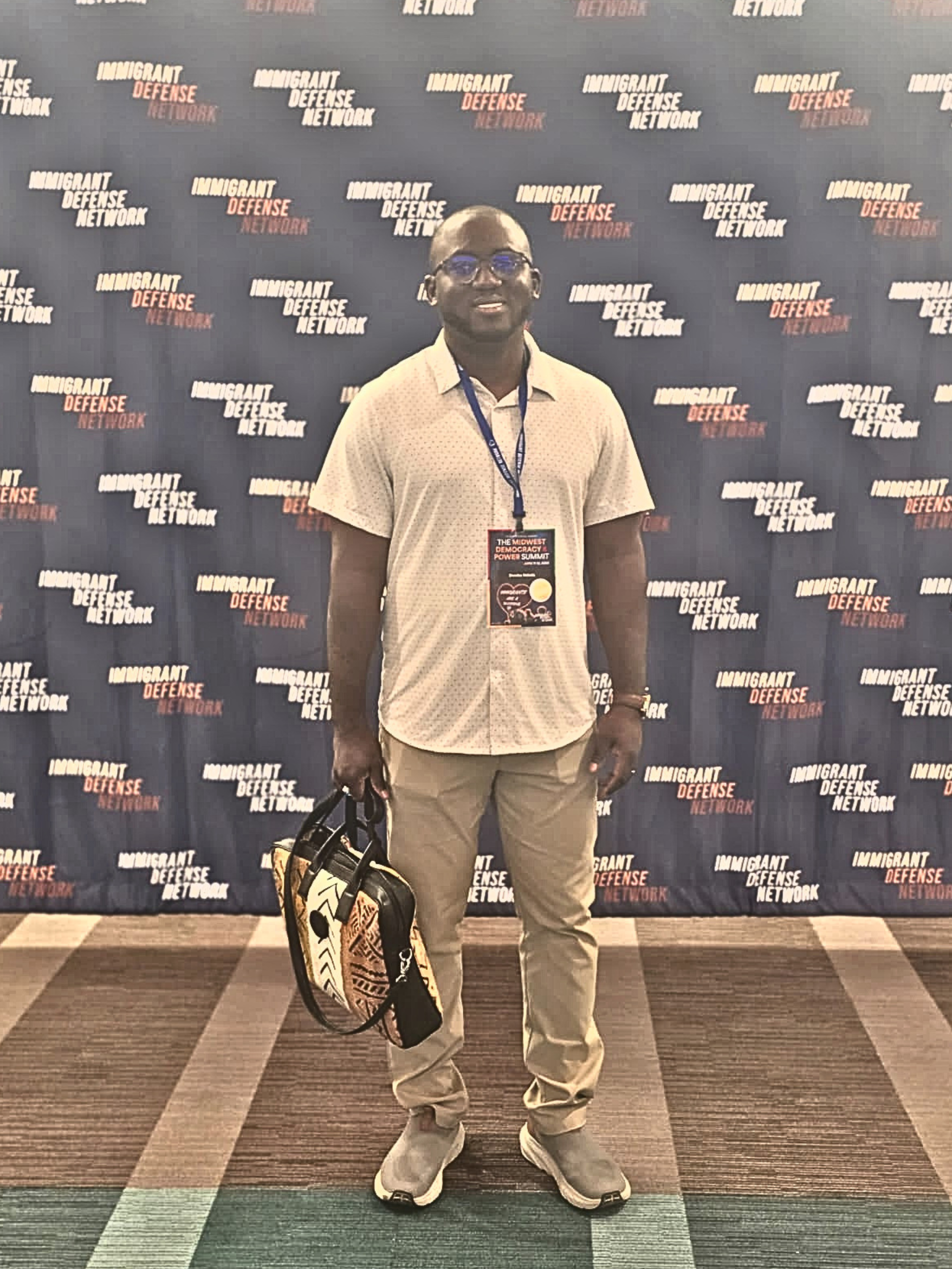
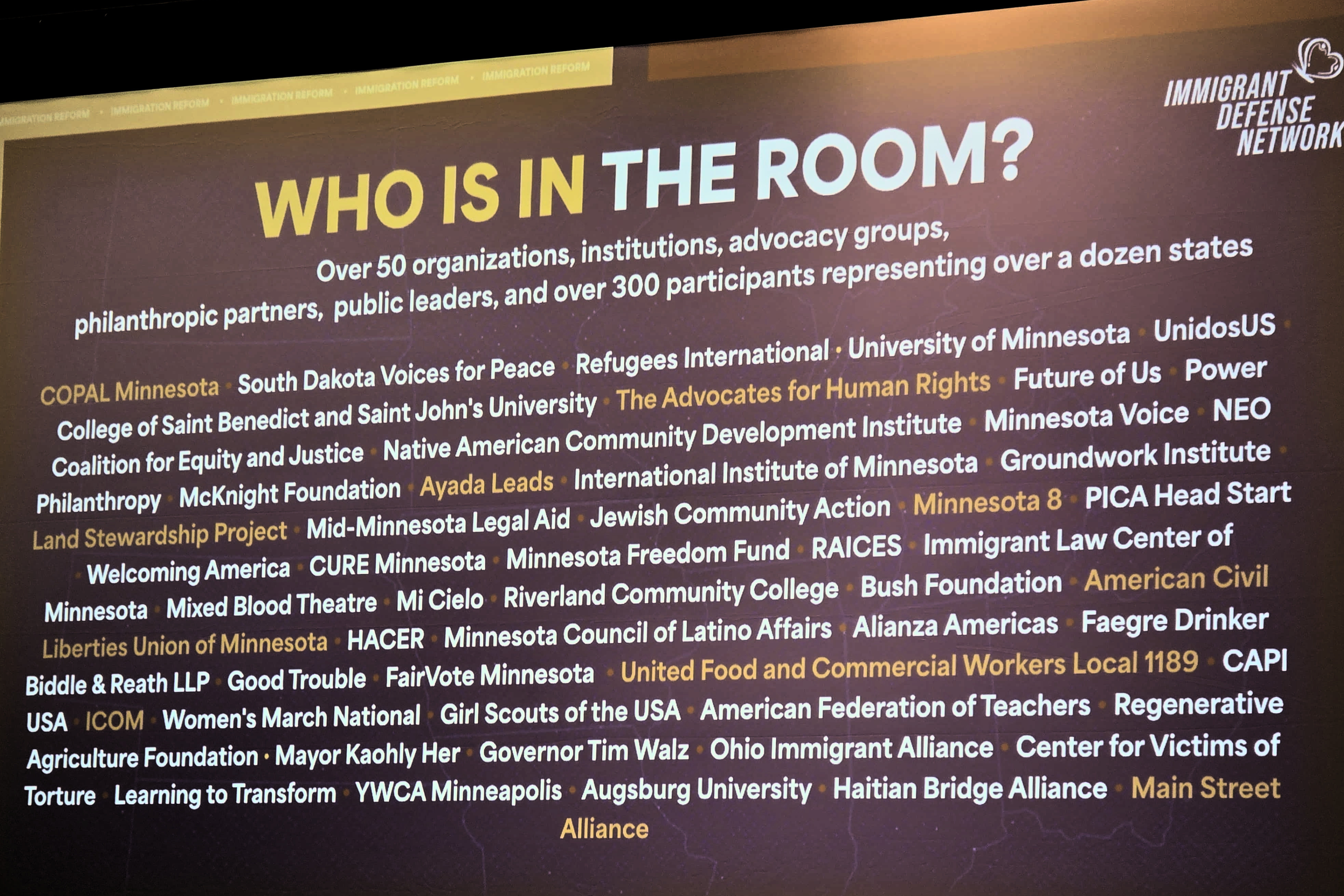
In June, I had the opportunity to travel from Ohio to Minneapolis, Minnesota, to attend The Brave of Us: Midwest Democracy & Power Summit, organized by the Immigrant Defense Network. The gathering brought together advocates, organizers, community leaders, volunteers, and allies from across the Midwest who share a common commitment to defending democracy, protecting immigrant rights, and building collective power.
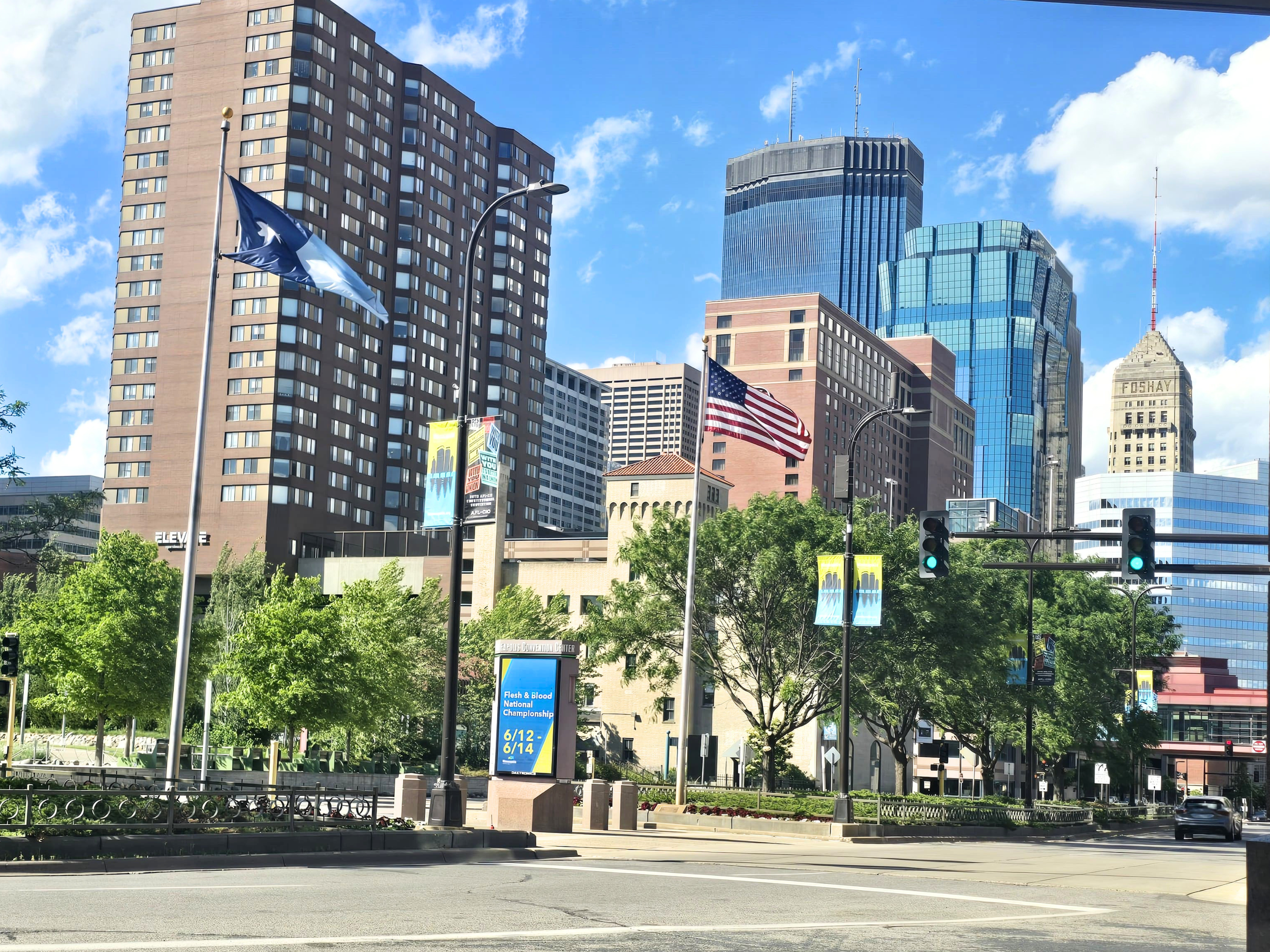
For me, the trip carried special meaning.
Minneapolis is a city that has become known around the world as the place where George Floyd lost his life, sparking a global movement demanding justice, accountability, and human dignity.
Visiting the Twin Cities for the first time, I was eager to learn from a community that has experienced profound tragedy while also demonstrating extraordinary resilience and resistance. Throughout the summit, participants engaged in conversations that challenged us to think beyond the current political moment and imagine a better future. We discussed how to create a new narrative around immigration, what an ideal immigration system would look like, how housing and economic policies intersect with immigrant communities, and who our allies must be in the fight for a more inclusive society.
One of the most powerful themes that emerged was the importance of narrative. Narratives are not simply stories; they are tools that shape public perception, influence policy, and determine who is seen as belonging.
For decades, immigrants have often been portrayed through narratives rooted in fear, scarcity, or division.
Yet the reality of immigrant communities tells a very different story—one of resilience, entrepreneurship, family, faith, and contribution.
As participants reflected on how to build a new paradigm for immigration, many emphasized the need to center human dignity. Policies should be informed not only by numbers and regulations but by the lived experiences of people. Behind every immigration case is a human story, a family, and a dream. Creating opportunities for people to learn about one another's histories, cultures, and countries of origin can foster understanding and reduce the fear that too often drives public discourse.
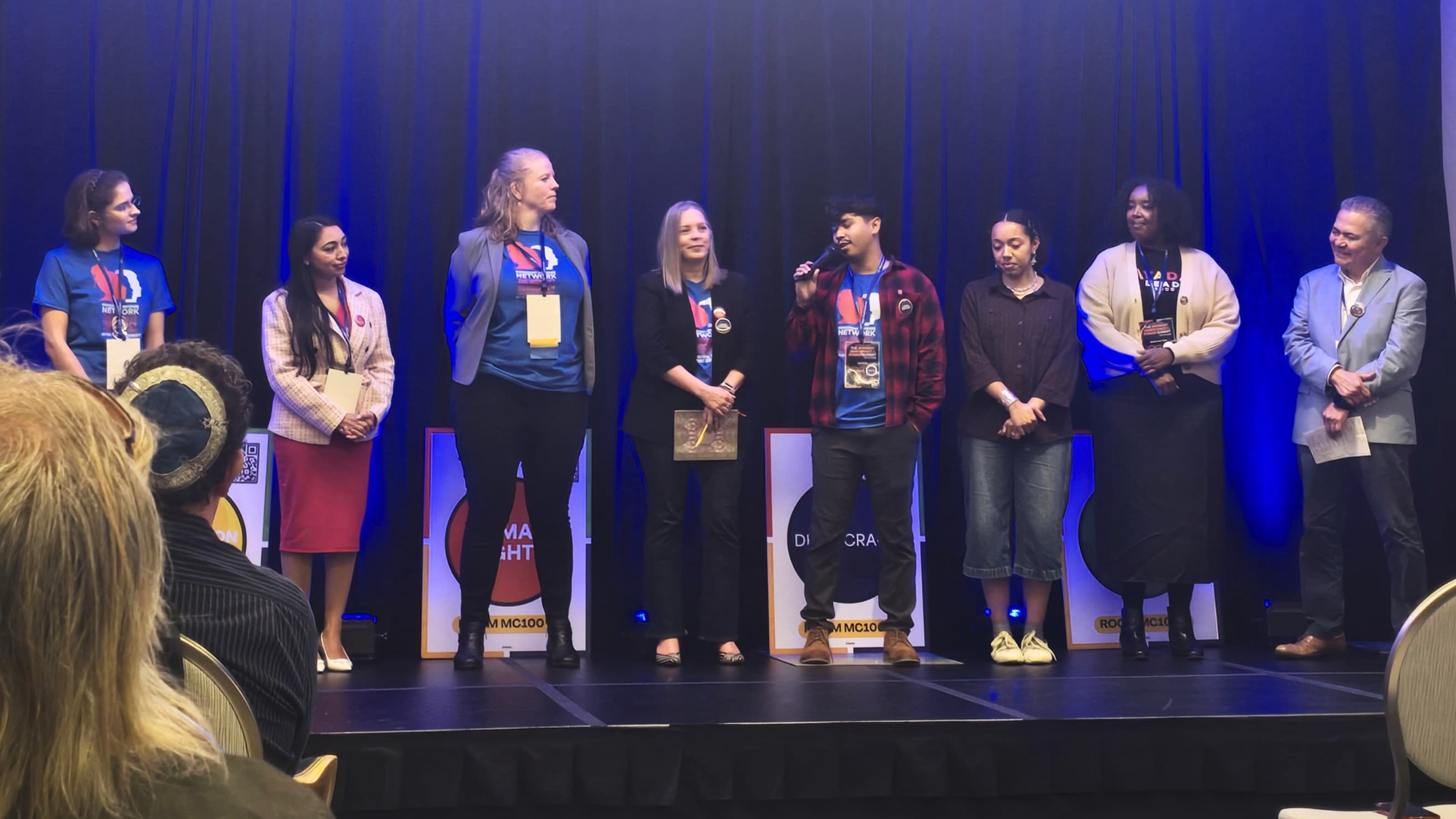
The summit also highlighted the importance of challenging dominant narratives and encouraging curiosity, especially among young people. We must create spaces where communities can engage across differences, ask questions, and learn from one another. Building a more inclusive future requires us to promote narratives that reflect the diversity and complexity of the people who call this country home.
I was particularly inspired by the work being done in Minnesota. Organizations such as COPAL have trained more than 30,000 constitutional observers, demonstrating the power of civic engagement and community organizing. I also learned about the numerous ways local organizations and volunteers have mobilized to support immigrants and respond to harmful immigration enforcement actions. The Twin Cities have become an example of what is possible when communities organize, build coalitions, and refuse to remain silent in the face of injustice.
One especially moving moment was visiting a memorial honoring victims of police violence. Standing in that space reminded me that America is capable of doing better—for its citizens, for immigrants, and for future generations. The memorial served as both a reminder of past failures and a call to continue working toward a society where every person's dignity is respected and protected.
Another important discussion centered on the future of the United States itself. Demographic trends and labor market realities make clear that immigrants will continue to play a critical role in the country's economic and social future. Rather than treating immigrants as a challenge to be managed, we should recognize them as partners in building stronger communities and a more prosperous nation.
As I return to Ohio, I do so with renewed energy and optimism. The summit reminded me that despite the political attacks, misinformation, and obstacles facing immigrant communities, there remains a powerful movement of people committed to justice, inclusion, and human rights. The voices I heard in Minneapolis were not voices of despair. They were voices of resistance, hope, and determination.
I am grateful to the Immigrant Defense Network for creating a space where these conversations could take place and where meaningful relationships could be built across state lines. The challenges before us are significant, but gatherings like this remind us that none of us are working alone.
At the Ohio Immigrant Alliance, we remain committed to strengthening partnerships, building collective power, and advancing policies rooted in dignity, fairness, and humanity. The lessons learned in Minneapolis will continue to inspire our work as we strive to build a future where every person—regardless of where they were born—has the opportunity to live with dignity and belong.
The future of our communities will be shaped not by fear, but by the courage of those willing to imagine something better and work together to achieve it.
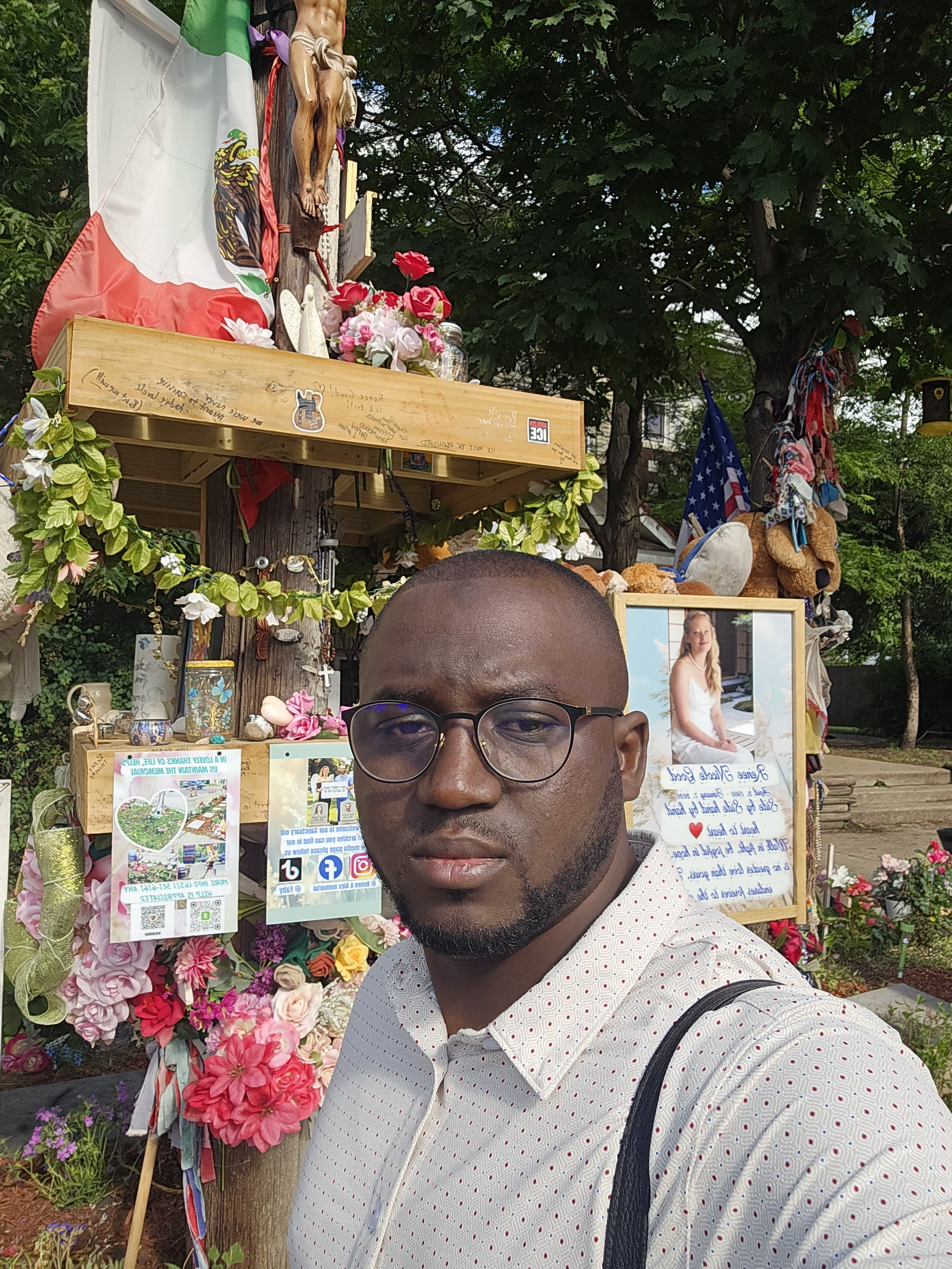
Demba Ndaith at the Renee Good memorial in Minneapolis